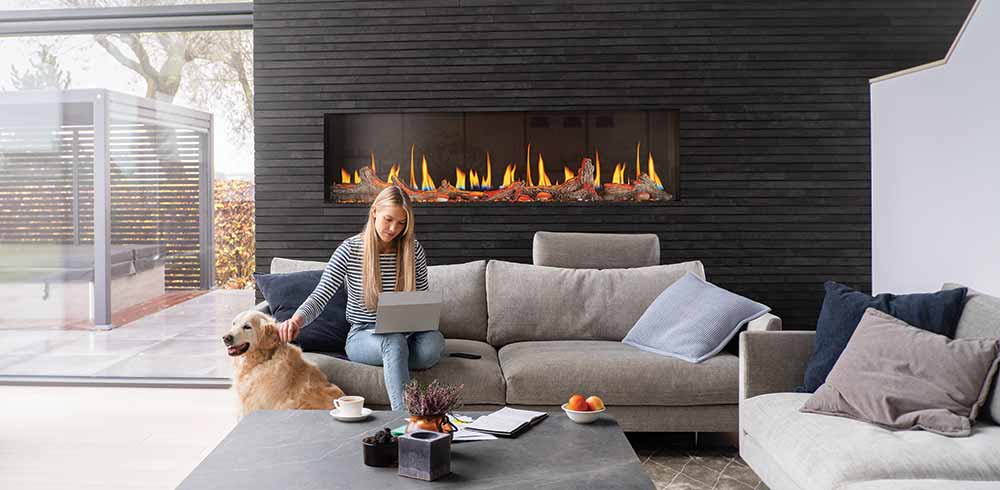
Luxury fireplaces have evolved beyond their functional roots to become architectural focal points that shape the atmosphere, layout and perceived value of a space. For contractors, builders and designers, understanding current fireplace design trends can make it easier to recommend solutions that balance aesthetics, performance, installation requirements and client expectations.
Whether you are specifying a fireplace for a custom home, renovating an existing living space or designing an upscale hospitality environment, the right fireplace can anchor the entire project. This guide explores popular fireplace types, luxury materials, design trends and practical planning considerations to help you create a finished installation that looks intentional and performs as expected.
What Makes a Fireplace Feel Luxurious?
A luxury fireplace is not defined by fuel type alone. The overall effect comes from the relationship between the fireplace, the surrounding architecture and the materials used throughout the room.
Elements that can elevate a fireplace design include:
- Large-scale or custom proportions
- High-quality finishing materials
- Clean transitions between the fireplace and surrounding wall
- Realistic logs, flames or decorative media
- Integrated controls and smart-home features
- Thoughtful placement within the room
- Custom mantels, cabinetry or built-ins
- See-through, corner or multi-sided viewing configurations
Luxury fireplace projects should also account for practical details such as heat output, venting, framing, clearances, service access and the way furniture will be arranged around the finished feature.
What Are the Most Popular Types of Luxury Fireplaces?
Fireplaces are available in a wide variety of fuel types, sizes and configurations. The best option depends on the client's desired aesthetic, heating expectations, available utilities and installation environment.
Wood-Burning Fireplaces

Timeless Character: Wood-burning fireplaces provide the traditional crackle, aroma and visual experience many homeowners associate with an authentic fire.
Luxury Appeal: A wood-burning fireplace can complement rustic, transitional, lodge-inspired and traditional home designs. Large masonry surrounds, natural stone and substantial wood mantels can further elevate the installation.
Heat Output: Wood fireplaces can produce substantial heat, making them especially appealing in colder climates or homes where the fireplace will be used regularly.
Project Considerations: Contractors should account for chimney requirements, combustion air, clearances, hearth protection, wood storage and local regulations early in the design process.
Gas Fireplaces

Effortless Convenience: Gas fireplaces provide flames and heat without the wood storage, ash cleanup or fire-building process associated with traditional wood-burning models.
Versatile Designs: Gas fireplaces are available in traditional, linear, see-through, corner and multi-sided configurations. This gives designers flexibility when working with different architectural styles and room layouts.
Realistic Presentation: Premium gas fireplaces may include detailed log sets, glowing embers, decorative glass, stones or other media options that allow the finished look to be customized.
Project Considerations: Fuel supply, venting, BTU requirements, gas line sizing, framing dimensions and access to electrical power should be confirmed before installation begins.
Electric Fireplaces

Flexible Installation: Electric fireplaces can be installed in many spaces where gas lines, chimneys or traditional venting are not practical.
Wide-Ranging Appeal: Electric models are available in traditional and modern styles, including built-in linear fireplaces, wall-mounted units, inserts and fireplaces designed for cabinetry or media walls.
Customizable Appearance: Many electric fireplaces offer adjustable flame colors, ember-bed lighting, brightness settings and decorative media options.
Project Considerations: Electrical requirements, wall depth, heat clearances, television placement and access for future service should be planned before the surrounding wall is finished.
Linear Fireplaces
Contemporary Proportions: Long, low fireplace openings complement wide walls, open floor plans and modern interiors. Linear fireplaces are especially effective when paired with floor-to-ceiling stone, porcelain slabs or minimalist wall treatments.
Flexible Sizing: Linear gas and electric fireplaces are available in a broad range of widths, making it easier to scale the installation to the room.
Design Considerations: The fireplace should feel proportional to the wall, ceiling height and surrounding furniture. An undersized unit can disappear within a large feature wall, while an oversized fireplace may dominate a smaller room.
See-Through and Multi-Sided Fireplaces
Architectural Impact: See-through fireplaces can visually connect two rooms while preserving separation between functional spaces.
Open-Concept Appeal: These fireplaces work well between living and dining areas, primary bedrooms and bathrooms, indoor and outdoor spaces or hospitality seating zones.
Planning Requirements: Contractors should carefully review venting, framing, finishing and clearance requirements on every exposed side of the fireplace.
Outdoor Fireplaces

Entertainment Value: Outdoor fireplaces can create a defined gathering area and extend the visual language of the home into the landscape.
Extended Seasonal Use: In the right climate, an outdoor fireplace can make patios, covered porches and outdoor kitchens more inviting throughout the year.
Project Considerations: Product listing, exposure rating, wind conditions, overhead clearances, drainage, fuel supply and surrounding combustible materials must all be evaluated before installation.
How to Choose the Right Fireplace for a Luxury Project
Choosing a fireplace based on appearance alone can create installation conflicts or performance issues later. Contractors and designers should evaluate the full project before selecting a model.
Define the Client's Priorities
Start by determining what the client expects the fireplace to accomplish. Some homeowners primarily want ambiance, while others expect meaningful supplemental heat. Additional priorities may include realistic flames, low maintenance, smart-home integration or a specific architectural style.
Review Fuel and Utility Availability
Determine whether the property has access to natural gas, propane or the necessary electrical service. For wood-burning installations, confirm that the project can accommodate the required chimney system and clearances.
Evaluate the Room Size
Fireplace width and height should be proportionate to the wall, ceiling and overall scale of the room. Large living rooms, vaulted ceilings and expansive feature walls may require a wider fireplace to create the intended visual impact.
Confirm Heating Expectations
A decorative fireplace and a high-output heating appliance serve different purposes. Review the manufacturer's performance information and ensure the selected fireplace aligns with the client's expectations for heat.
Plan Venting and Framing Early
Venting routes, framing dimensions, clearances and finishing requirements should be incorporated into the plans before construction begins. Early coordination can help avoid conflicts with windows, televisions, cabinetry, mechanical systems and structural components.
Consider Maintenance and Service Access
A clean finished appearance should not make the fireplace difficult to maintain. Access panels, controls, valves, electrical connections and replaceable components should remain accessible according to manufacturer instructions.
Coordinate the Fireplace With the Room Layout
Consider how the fireplace will be viewed from seating areas, entrances and adjoining rooms. Furniture placement, traffic flow and sightlines can influence the ideal fireplace position and viewing configuration.
What Type of Fireplace Adds the Most Value?
The effect a fireplace has on property value depends on the quality of the installation, the surrounding architecture, the local market and the preferences of future buyers. A fireplace that feels integrated into the home is generally more appealing than one that appears undersized, poorly positioned or disconnected from the room's design.
Efficient Fireplaces

Energy-Conscious Design
High-efficiency gas fireplaces, inserts and electric fireplaces may appeal to homeowners who want ambiance and supplemental heat without relying on an open masonry fireplace.
Practical Performance
Potential buyers may appreciate a fireplace that is easy to operate, maintain and incorporate into their normal heating routine.
Double-Sided or See-Through Fireplaces

Open-Space Appeal
Double-sided and see-through fireplaces can create visual connection between rooms while serving as a defining architectural element.
Multiple Viewing Areas
A single fireplace may provide flame visibility from two spaces, increasing its impact within the overall floor plan.
Outdoor Fireplaces
Outdoor Living Appeal
A well-designed outdoor fireplace can help define a patio, lounge or dining area and support the growing demand for functional outdoor living spaces.
Architectural Continuity
Using materials that coordinate with the home can make an outdoor fireplace feel like a natural extension of the property rather than a separate feature.
Custom Fireplace Surrounds
Natural stone, custom millwork, large-format porcelain and other premium materials can increase the perceived quality of the fireplace installation. The craftsmanship of the surround often has as much influence on the final result as the fireplace itself.
Popular Luxury Fireplace Design Trends
Luxury fireplace trends continue to evolve alongside changes in architecture, technology and homeowner preferences. The strongest designs balance current aesthetics with durable materials and practical installation planning.
Minimalist Fireplace Designs

Clean Lines
Contemporary luxury homes often feature fireplaces with narrow frames, simplified surrounds and minimal visual interruption.
Integrated Details
Flush finishing, concealed components and carefully aligned materials help the fireplace blend into the architecture.
Floor-to-Ceiling Fireplace Walls
Extending stone, tile, plaster or porcelain from the floor to the ceiling can make the fireplace feel larger and more architectural. This approach works especially well in rooms with tall or vaulted ceilings.
Contractors should coordinate material weight, substrate requirements, expansion needs and fireplace clearances before finalizing the wall assembly.
Extra-Wide Linear Fireplaces
Large linear fireplaces remain popular in open-concept living spaces and contemporary homes. Their horizontal proportions can visually widen a room and create a strong anchor beneath artwork or a television.
The fireplace width should be selected in relation to the entire feature wall rather than the television alone.
Bold Natural Stone
Marble, quartzite, limestone and other stones with dramatic veining can turn the fireplace surround into a statement feature. Large slabs reduce grout lines and showcase the natural pattern of the material.
Stone selection should account for heat exposure, weight, fabrication requirements and the manufacturer's finishing specifications.
Mixed Materials
Combining materials can add depth and contrast to a fireplace wall. Common pairings include:
- Natural stone and wood
- Concrete and steel
- Porcelain and custom cabinetry
- Plaster and stone
- Brick and reclaimed wood
The most successful combinations repeat finishes already present elsewhere in the home.
Smart Fireplace Controls

Connected Operation
Depending on the model, fireplace controls may include mobile apps, programmable settings, remote operation or integration with compatible home systems.
Customizable Experience
Available features may include adjustable flame height, lighting colors, fan speeds, thermostatic control and heat settings.
Fireplaces in Unconventional Spaces

Unexpected Locations
Electric fireplaces are increasingly used in bedrooms, bathrooms, offices, dining spaces and other areas where a traditional gas or wood fireplace may be impractical.
Architectural Interest
A fireplace in an unexpected location can create a memorable focal point and help differentiate a custom project.
See-Through Room Dividers
See-through fireplaces can define separate areas without fully closing off the floor plan. They are especially effective between living and dining rooms, bedrooms and sitting areas or interior and covered outdoor spaces.
Frameless and Flush-Finish Installations
Many modern designs minimize visible trim and allow finishing materials to approach the fireplace opening closely, where permitted. Achieving this look requires careful attention to manufacturer-approved finishing zones, clearances and noncombustible materials.
Integrated Fireplace and Television Walls
Fireplaces and televisions are frequently incorporated into the same feature wall, but the arrangement requires more than visual planning. Heat management, mantel requirements, recess depth, television specifications and fireplace clearances must all be considered.
Contractors should follow both the fireplace manufacturer's installation instructions and the television manufacturer's temperature and mounting requirements.
Popular Materials for Luxury Fireplace Surrounds
The surround material has a major effect on the fireplace's finished appearance. Material selection should reflect the home's architecture while also meeting the technical requirements of the installation.
Marble and Quartzite
Natural stone slabs offer distinctive veining and a polished, high-end appearance. They are well suited to formal, transitional and contemporary interiors.
Limestone
Limestone provides a softer, more organic appearance that works well in traditional, European-inspired and warm contemporary homes.
Large-Format Porcelain
Porcelain slabs can recreate the appearance of marble, concrete or stone while providing consistent patterning and relatively few grout lines.
Concrete
Concrete surrounds complement industrial, modern and minimalist interiors. The material may be cast, paneled or finished with a concrete-look surface depending on the design.
Stacked Stone
Stacked stone adds texture and dimension. It can support rustic, transitional, lodge and outdoor fireplace designs.
Steel and Metal Panels
Blackened steel, stainless steel and other metal finishes can create a refined contemporary or industrial appearance.
Plaster
Smooth plaster surrounds create a soft, seamless look and can help the fireplace blend into a minimalist wall.
Wood Mantels and Millwork
Wood adds warmth and can connect the fireplace to nearby cabinetry, flooring or architectural trim. Required clearances from the fireplace opening must be confirmed before mantel dimensions are finalized.
Luxury Fireplace Design Tips for Contractors and Designers
Scale the Fireplace to the Architecture
Consider ceiling height, wall width and room volume when choosing the fireplace. A fireplace that looks appropriately sized on a product page may feel too small once installed on a large feature wall.
Design Around Important Sightlines
Review how the fireplace will appear from room entrances, hallways, seating areas and adjacent spaces. Strong sightlines can increase the fireplace's impact throughout the home.
Coordinate Finishes Across the Project
Fireplace materials should relate to other finishes in the room, such as countertops, flooring, cabinetry, hardware and exterior masonry.
Plan Television Placement Carefully
Do not assume every fireplace can support a television directly above it. Review heat output, clearance requirements, mantel specifications and the temperature limitations of the television.
Preserve Access for Future Service
Valves, controls, electrical components and other serviceable parts should remain accessible after the fireplace wall is complete.
Select Media That Fits the Design
Traditional logs may suit transitional interiors, while glass, stones or crystals may better complement modern spaces. Some fireplaces offer multiple media options that allow the look to be tailored to the project.
Coordinate All Trades Early
Fireplace installations may involve framers, electricians, gas professionals, finish carpenters, stone fabricators and other trades. Sharing the manufacturer's specifications early can help prevent conflicts and rework.
Follow Product Instructions and Local Requirements
Always install fireplaces according to the manufacturer's instructions and applicable local codes. Product-specific requirements take precedence over general design guidance.
What Does a Fireplace Add to a Home?

A well-designed fireplace can contribute to a home in several ways:
Architectural Focus: A fireplace can anchor the room and create a natural focal point for furniture, artwork and surrounding materials.
Inviting Atmosphere: Flames add warmth and visual movement that can make a living space feel more comfortable and welcoming.
Supplemental Heat: Depending on the fireplace type and performance, the unit may provide useful heat in addition to ambiance.
Design Continuity: A thoughtfully designed fireplace can reinforce the home's overall architectural style and material palette.
Entertainment Value: Indoor and outdoor fireplaces can establish natural gathering areas for family members and guests.
Perceived Quality: Premium materials, careful proportions and professional installation can increase the perceived craftsmanship of the home.
Frequently Asked Questions About Luxury Fireplace Design
What type of fireplace is best for a luxury home?
The best fireplace depends on the home's architecture, the client's desired aesthetic, heating expectations and installation requirements. Gas fireplaces offer convenience and realistic flames, electric fireplaces provide flexible installation and wood fireplaces deliver a traditional fire experience.
Are gas fireplaces considered luxurious?
Gas fireplaces can be an excellent fit for luxury homes. Premium models may include large viewing areas, detailed log sets, adjustable flames, smart controls and see-through or multi-sided configurations.
Can an electric fireplace work in a high-end interior?
Yes. Built-in electric fireplaces are available in wide linear sizes, realistic flame presentations and customizable media options. The quality of the surrounding wall and finish materials also has a major effect on the final appearance.
What size fireplace should be used in a large living room?
The fireplace should be selected in proportion to the wall width, ceiling height and overall room scale. Large feature walls often require wider fireplaces to create sufficient visual impact. Heating requirements should be evaluated separately from appearance.
Do fireplaces increase home value?
A fireplace may increase buyer appeal and perceived value, particularly when it is well designed, professionally installed and appropriate for the home's style. The actual effect on resale value varies by market and property.
What fireplace styles are popular in luxury homes?
Popular styles include extra-wide linear fireplaces, floor-to-ceiling feature walls, see-through fireplaces, natural stone surrounds, minimalist flush-finish designs and fireplaces integrated with custom cabinetry.
Can a television be installed above a fireplace?
A television may be installed above some fireplaces when the arrangement complies with fireplace clearances, mantel requirements and the television manufacturer's specifications. Heat management and viewing height should be considered before finalizing the design.
When should the fireplace be selected during a project?
The fireplace should be selected early enough to coordinate framing, venting, fuel supply, electrical service, finishing materials and surrounding architectural features. Waiting until the finish stage can limit product options and create costly changes.
Is a Luxury Fireplace Right for Your Next Project?
The best luxury fireplace is one that complements the architecture, fits the client's lifestyle and works within the technical requirements of the project. Whether the design calls for a traditional wood-burning fireplace, a convenient gas model, a wide electric fireplace or a see-through architectural feature, early planning is essential.
By evaluating fuel type, heat output, venting, framing, materials, controls and long-term service needs before construction begins, contractors and designers can create fireplace installations that deliver both visual impact and dependable performance.
SpotixPro is designed specifically for tradespeople, builders, contractors and designers. Members receive exclusive trade pricing, support from a dedicated account team and priority order processing and shipping to help keep projects on schedule, within budget and informed by industry expertise.