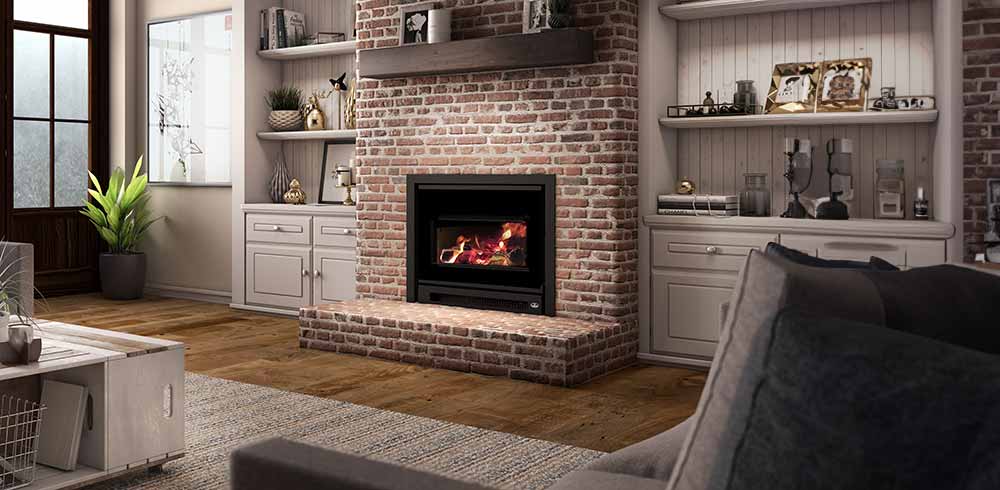
Wood-burning fireplace inserts can help chimney sweeps and hearth professionals convert inefficient open fireplaces into more effective supplemental heating systems. This SpotixPro guide covers fireplace compatibility, chimney inspection, field measurements, liner planning, installation considerations, customer education and ongoing service so professionals can evaluate projects more confidently and reduce avoidable callbacks.
Chimney sweeps are often the first professionals to recognize when an existing fireplace is a potential candidate for an insert. During an inspection or cleaning, a sweep may discover a customer who regularly uses an inefficient open fireplace, wants more usable heat, is concerned about smoke or draft performance, or is planning a larger hearth renovation.
A wood-burning insert can be an excellent upgrade when the fireplace, chimney, home and customer are all suited to the appliance. However, successful projects require more than choosing a unit that appears to fit the opening. Fireplace type, chimney condition, liner requirements, clearances, heating goals, local regulations and long-term maintenance all need to be considered before an insert is ordered or installed.
Always follow the insert manufacturer's installation instructions, the original fireplace listing where applicable, local codes and the requirements of the authority having jurisdiction. Do not remove or modify fireplace components unless the relevant manufacturer documentation specifically allows it.
What Is a Wood-Burning Fireplace Insert?
A wood-burning fireplace insert is a listed, enclosed solid-fuel appliance designed to be installed within an approved existing fireplace. Unlike an open masonry fireplace, an insert uses a controlled combustion chamber, gasketed door, regulated combustion air and a dedicated venting connection to improve heat output and combustion performance.
Most modern inserts include a steel or cast-iron firebox, ceramic glass viewing area, primary and secondary combustion systems, internal baffles and an outlet designed to connect to a properly sized chimney liner. Many models also include or accept an optional blower that circulates heated air into the room.
The insert does not simply sit inside the fireplace and vent into the surrounding chimney cavity. It must be installed and connected in the configuration required by its listing and manual.
When Should a Chimney Sweep Recommend a Wood-Burning Insert?
A wood-burning insert may be worth discussing when a customer:
- Uses an open fireplace regularly but receives little usable heat.
- Wants supplemental heat from cordwood.
- Has an existing fireplace and chimney that may be suitable for conversion.
- Has reliable access to properly seasoned firewood.
- Understands that a wood appliance requires loading, ash management and recurring service.
- Wants to retain the appearance and experience of a wood fire.
- Is prepared for liner, installation, permit and inspection requirements.
- Wants a cleaner-burning appliance than an older open fireplace or outdated insert.
An insert may not be the best recommendation when the existing fireplace is not approved for an insert, the chimney cannot be corrected economically, the hearth or clearances are inadequate, local regulations restrict wood burning, or the customer wants push-button operation with minimal maintenance.
Masonry vs. Factory-Built Fireplace Compatibility
One of the first steps is identifying the type of fireplace. Masonry and factory-built fireplaces are not interchangeable installation environments.
Masonry Fireplaces
A masonry fireplace is constructed from noncombustible masonry materials and typically includes a masonry firebox, smoke chamber and chimney. A listed wood insert may be installed in a masonry fireplace when the appliance manual permits the application and the fireplace and chimney are suitable.
The inspection should still confirm that the masonry structure is sound, the firebox is large enough, the chimney can accept the required liner and all mantel, trim and hearth clearances can be met.
Factory-Built Fireplaces
A factory-built or prefabricated fireplace is a listed system that includes a metal firebox, chimney components, insulation spaces and specific framing requirements. Not every factory-built fireplace is approved for an insert.
Before recommending an insert for a factory-built fireplace:
- Locate the fireplace's identification plate.
- Record the manufacturer and model.
- Review the original fireplace listing and installation manual.
- Confirm the proposed insert is listed for that application.
- Verify which original components must remain in place.
- Do not cut, remove or alter louvers, insulation, refractory panels, smoke shelves or structural components unless explicitly permitted.
- Confirm that required cooling-air passages remain open.
If the original fireplace cannot be identified or its listing cannot be verified, do not assume an insert can be installed safely.
Pre-Installation Fireplace and Chimney Inspection
A complete inspection should be performed before the insert is selected. The goal is to determine whether the existing system is suitable, what corrective work may be required and whether the project can meet the appliance manufacturer's requirements.
Fireplace Inspection
- Identify whether the fireplace is masonry or factory-built.
- Inspect the firebox for cracked masonry, damaged refractory panels or missing components.
- Check the lintel, smoke shelf, damper area and surrounding structure.
- Look for evidence of previous chimney fires or extreme heat exposure.
- Check for water intrusion, rust, staining or deterioration.
- Identify combustible materials near the opening.
- Measure mantel, side trim and hearth clearances.
- Confirm that the hearth extension is appropriate for the proposed appliance.
- Evaluate whether the insert and surround can be serviced after installation.
Chimney Inspection
- Inspect the chimney from the appliance connection to the termination.
- Confirm chimney height and general configuration.
- Identify the existing flue dimensions and liner material.
- Check for offsets, restrictions or areas that may complicate liner installation.
- Inspect the crown, cap, flashing and exterior masonry.
- Look for cracked flue tiles, missing mortar joints or deterioration.
- Evaluate evidence of previous chimney fire damage.
- Check for blockages, animal nesting or accumulated deposits.
- Determine whether an insulated liner is required.
- Confirm that the chimney can be accessed for future sweeping.
The chimney should be cleaned before the new liner is installed so deposits are not trapped between the liner and the existing flue.
Fireplace Measurement Guide
Accurate measurements are essential. Masonry openings are often tapered, out of square or narrower toward the rear. Record measurements at multiple points instead of relying on the visible front opening.
Measurements to Record
- Front opening width
- Rear firebox width
- Opening height
- Rear firebox height
- Firebox depth at the floor
- Firebox depth higher in the opening where the insert body will sit
- Hearth depth in front of the fireplace
- Hearth width
- Hearth height above the finished floor
- Distance to combustible mantel
- Distance to combustible side trim
- Damper-opening dimensions
- Flue dimensions
- Approximate chimney height
- Distance to a suitable electrical source for a blower
- Available width and height for surround panels
Compare the smallest usable dimensions with the minimum fireplace opening listed for the insert. Also verify the location of the flue outlet, door projection, blower housing and surround attachment points.
Choosing the Correct Insert Size
The largest insert that physically fits is not automatically the best insert for the project. Chimney sweeps and contractors should distinguish between sizing for the fireplace opening and sizing for the customer's heating needs.
Fit and Installation Factors
- Minimum fireplace dimensions
- Insert body dimensions
- Flue-outlet location
- Required mantel and trim clearances
- Hearth-extension requirements
- Surround-panel coverage
- Blower and service access
- Approved installation depth
Heating and Use Factors
- Room size and layout
- Whether the insert will heat one room or support a larger area
- Ceiling height
- Home insulation and air leakage
- Climate
- Interior versus exterior chimney
- Desired burn time
- Maximum log length
- Customer loading habits
- Whether the customer wants occasional ambiance or regular heat
Oversizing can encourage low, smoldering burns when the customer reduces the air supply to avoid overheating the space. Undersizing can lead to frequent loading and unrealistic heating expectations. Select an appliance that fits the fireplace and matches the intended use.
Chimney Liner and Venting Requirements
The liner is a central part of a wood-insert installation, not merely an optional accessory. Modern inserts generally require a direct, properly sized connection from the appliance outlet to the chimney termination.
Full-Height Liner
A full-height stainless steel liner creates a dedicated venting path through the chimney. The liner should match the diameter and installation requirements specified by the insert manufacturer.
Potential benefits include:
- Improved draft consistency
- Reduced flue volume
- Better containment of flue gases
- More direct sweeping access
- Clearer connection between the appliance and termination
Liner Sizing
Do not reduce the liner diameter unless the appliance manufacturer and applicable requirements specifically allow it. An improperly sized liner can contribute to weak draft, smoke spillage, excessive deposits or poor combustion.
Liner Insulation
Liner insulation may be required based on the liner listing, chimney condition, clearance to combustibles and local requirements. Insulation can also help maintain warmer flue temperatures, particularly in exterior chimneys.
Confirm:
- Whether the existing chimney provides the required clearance.
- Whether the liner system requires insulation.
- Whether there is adequate room for the liner and insulation.
- Whether the chimney needs repair before lining.
Appliance Connection and Termination
The connection at the insert and the top termination should be secure, serviceable and installed according to the liner and appliance instructions. Verify that adapters, top plates, caps and connectors are compatible with the complete system.
Block-Off Plates and Fireplace-Cavity Control
A block-off plate is commonly installed in the damper area of a masonry fireplace to close the opening around the liner. When properly designed and installed, it can help separate the heated room from the larger chimney cavity.
A block-off plate may help:
- Reduce warm room air from moving into the chimney cavity.
- Limit cold-air movement around the insert.
- Support approved insulation where permitted.
- Improve the finished installation.
- Reduce debris movement from the smoke chamber.
The plate should be constructed from appropriate noncombustible material and sealed in a manner compatible with the temperatures and installation. Do not block required cooling-air pathways in a factory-built fireplace.
Key Features of a Wood-Burning Fireplace Insert


Catalytic vs. Non-Catalytic Inserts
Some wood-burning inserts use a catalytic combustor, while others use non-catalytic secondary combustion. Both designs can provide effective performance when operated correctly.
Catalytic Inserts
Catalytic models route smoke through a combustor that supports continued combustion at lower temperatures. They may offer long, controlled burns but require correct engagement procedures and periodic catalyst inspection or replacement.
Non-Catalytic Inserts
Non-catalytic models generally use baffles, secondary-air tubes and a high-temperature firebox to burn remaining gases. They avoid a catalyst but still require inspection of baffles, tubes, firebrick and other internal components.
The best choice depends on the customer's operating preferences, maintenance expectations and the specific models available for the fireplace opening.
Fuel and Firewood Requirements

Wood-burning inserts are designed to burn approved cordwood. Customer education about fuel quality is essential because wet or inappropriate fuel can cause poor draft, weak heat output, dirty glass and rapid creosote accumulation.
Use Properly Seasoned Firewood
Follow the appliance manufacturer's moisture guidance. A commonly used target is approximately 20% moisture content or less, measured on the freshly split face of the wood with a moisture meter.
Wood should be:
- Split to an appropriate size.
- Stacked off the ground.
- Protected from rain while remaining ventilated.
- Seasoned long enough for the species and local climate.
- Measured after splitting, not only on the exterior surface.
Hardwood vs. Softwood
Dense hardwoods can provide longer burns, but properly seasoned softwoods may also be acceptable when the appliance manufacturer permits them. Softwoods often ignite easily and burn more quickly. Moisture content and operating technique are generally more important than relying on species alone.
Materials Customers Should Not Burn
- Wet or green wood
- Trash
- Painted or treated lumber
- Plywood, particleboard or composite wood
- Glossy paper or packaging
- Plastics
- Flammable liquids
- Manufactured fire logs unless specifically approved
- Oversized logs that prevent proper loading and airflow
Draft and Chimney-Performance Considerations
Insert performance depends on the complete venting system and the pressure conditions of the home. A properly installed appliance may still draft poorly when the chimney or building conditions are unfavorable.
Evaluate:
- Chimney height
- Liner diameter
- Exterior versus interior chimney location
- Cold flue conditions
- Chimney offsets
- Cap restrictions
- Nearby rooflines, trees or terrain
- High-wind exposure
- Altitude
- Home tightness
- Large exhaust fans
- Kitchen range hoods
- Bathroom fans
- Clothes dryers
- Stack effect in multistory homes
Smoke entering the room when the door is opened can result from opening the door too quickly, a cold chimney, weak draft, negative pressure, restricted liner or improper operating technique. Diagnose the entire system rather than assuming the insert itself is defective.
Blower and Electrical Planning
Many inserts use a blower to circulate heated air. Determine whether the blower is included, optional or unavailable before presenting the product to the customer.
Confirm:
- Electrical outlet requirements
- Acceptable cord routing
- Whether an outlet can be installed within the fireplace area
- Whether the cord will remain accessible
- Whether the blower can be removed after the surround is installed
- How the blower is controlled
- Whether the blower uses a thermal switch and delayed startup
- Cleaning and service requirements
A blower may not start immediately after lighting the fire. Many systems wait until the insert reaches a set temperature. The blower may also continue running after the fire declines while the appliance cools.
Wood Insert Safety and Clearance Planning

A wood-burning insert can be operated safely when the appliance, fireplace, chimney and installation meet the applicable requirements. An enclosed door does not eliminate the need for proper clearances and recurring inspection.
Verify:
- Combustible mantel clearance
- Combustible side-trim clearance
- Hearth-extension depth and width
- Floor-protection requirements
- Approved surround configuration
- Chimney and liner condition
- Correct liner connection
- Door and glass-gasket condition
- Smoke and carbon monoxide alarms
- Service and cleaning access
Never add an unapproved mantel shield, surround, trim kit or floor protector as a substitute for meeting the appliance requirements.
Wood-Burning Insert Installation Checklist
- Confirm the fireplace type and model where applicable.
- Complete the fireplace and chimney inspection.
- Document all opening, hearth, mantel and trim measurements.
- Verify the selected insert is approved for the application.
- Confirm the appliance fits the smallest firebox dimensions.
- Confirm the heating capacity matches the project.
- Clean the fireplace and chimney.
- Complete required chimney repairs.
- Install the correctly sized liner.
- Install liner insulation where required.
- Secure the appliance connection and top termination.
- Install a block-off plate where appropriate.
- Maintain all required clearances.
- Verify hearth protection.
- Confirm electrical access for the blower.
- Level and secure the appliance.
- Fit the surround without blocking controls or service access.
- Inspect firebrick, baffles, tubes and door gaskets.
- Record the model and serial number.
- Photograph the liner connection and finished installation.
Commissioning Checklist
Commission the appliance before leaving the project. Follow the manufacturer's first-fire and paint-curing instructions.
- Confirm the air control moves through its full range.
- Check the door latch.
- Inspect the door and glass gaskets.
- Confirm the baffle and internal components are correctly positioned.
- Verify the liner connection remains secure.
- Confirm smoke flows into the chimney.
- Check for smoke spillage around the door or surround.
- Test the blower and controls.
- Listen for unusual vibration or contact.
- Confirm the surround does not overheat or obstruct airflow.
- Review expected paint-curing odors with the customer.
- Explain the first several burn cycles.
- Document the completed test.
Customer Operation and Handoff
Correct operation is essential for performance, safety and chimney cleanliness. Before leaving, demonstrate:
- How to establish draft before lighting.
- How to build an initial fire.
- How and when to reduce the air control.
- How to reload without causing smoke spillage.
- How to avoid prolonged smoldering.
- How to use the blower.
- How to recognize properly seasoned wood.
- How to use a moisture meter.
- How much wood to load.
- How to remove and store ash safely.
- Which materials must never be burned.
- When to schedule inspection and sweeping.
Leave the appliance manual, liner documentation, warranty information, remote or blower controls and service contact details with the customer.
Annual Inspection and Maintenance
A wood-burning insert and its liner should be inspected regularly. Service frequency depends on use, fuel quality, operating habits and deposit accumulation.
Common Annual Service Items
- Inspect and sweep the liner.
- Inspect the cap and termination.
- Check the liner connection.
- Inspect firebrick.
- Inspect baffles and secondary-air tubes.
- Inspect the door gasket.
- Inspect the glass gasket.
- Check the door latch and hinges.
- Clean the blower.
- Remove debris from convection-air passages.
- Inspect the surround and fasteners.
- Inspect the hearth and nearby finishes.
- Inspect the catalytic combustor where applicable.
- Look for signs of overfiring or corrosion.
Common Wear Components
Even when the main appliance remains serviceable, individual parts may require replacement.
- Door gasket
- Glass gasket
- Firebrick
- Baffle boards
- Secondary-air tubes
- Door latch components
- Blower or blower controls
- Catalytic combustor
- Surround hardware
- Chimney cap
- Liner connector
Record the exact model and serial number before ordering parts. Similar-looking components may not be interchangeable.
Common Customer Complaints and Possible Causes
| Complaint | Possible Causes | What to Check |
|---|---|---|
| Smoke enters the room when the door opens | Weak draft, cold flue, negative pressure, restricted liner or door opened too quickly | Liner, cap, chimney height, house pressure and loading procedure |
| Glass becomes black quickly | Wet wood, low burn temperature, restricted air or poor draft | Wood moisture, air controls, liner condition and operating habits |
| Insert produces little heat | Wet fuel, small fire, low airflow, weak draft, blower issue or unrealistic expectations | Fuel, loading, blower, room conditions and appliance size |
| Fire burns too quickly | Air leak, damaged gasket, excessive draft or door not latched | Door gasket, latch, ash system and draft conditions |
| Blower does not start | No power, thermal switch not warm, control setting or blower fault | Outlet, switch, cord, insert temperature and blower assembly |
| Excessive creosote develops | Wet wood, smoldering burns, oversized liner, cold chimney or restricted airflow | Fuel moisture, operating technique, liner sizing and insulation |
How Long Does a Wood-Burning Fireplace Insert Last?

A well-built and properly maintained insert can provide many years of service, but there is no single lifespan that applies to every appliance.
Longevity depends on:
- Steel or cast-iron construction
- Frequency of use
- Overfiring
- Fuel quality
- Moisture exposure
- Maintenance
- Chimney performance
- Replacement-part availability
- Condition of firebrick, baffles and internal components
Door gaskets, firebrick, baffles, blowers and catalytic combustors may need service or replacement well before the main firebox reaches the end of its usable life.
Wood-Burning Insert Project Cost Considerations

Total project cost varies by appliance, chimney condition, region, labor and installation complexity. Instead of presenting one universal price range, prepare estimates using the complete project scope.
Potential cost categories include:
- Insert
- Door, surround and finish options
- Blower
- Stainless steel liner
- Liner insulation
- Adapters, top plate and cap
- Block-off plate
- Chimney cleaning
- Chimney repair
- Hearth modification
- Mantel or trim modification
- Electrical work
- Permit and inspection fees
- Installation labor
- Delivery and jobsite access
Provide customers with a written scope that identifies allowances, exclusions and conditions that may change after the chimney is fully inspected.
How to Compare Wood-Burning Fireplace Inserts
Instead of comparing inserts only by price, evaluate the specifications that affect fit, operation and long-term service.
| Specification | Why It Matters |
|---|---|
| Minimum fireplace dimensions | Confirms whether the insert body can fit within the opening. |
| Heating output and recommended area | Helps match the appliance to the customer's heating goals and space. |
| Firebox volume | Affects loading capacity and potential burn duration. |
| Maximum log length | Should match the customer's available firewood and loading preferences. |
| Flue diameter | Determines liner requirements and affects venting compatibility. |
| Blower status | Clarifies whether a blower is included, optional or unavailable. |
| Catalytic or non-catalytic design | Affects operating procedure and long-term maintenance. |
| Surround options | Determines whether the original fireplace opening can be covered cleanly. |
| Service-part availability | Supports future maintenance and repair. |
Browse available wood-burning fireplaces and inserts and compare the current manufacturer specifications for each model before presenting an option to the customer.
Local Regulations and Project Documentation
Before ordering or installing an insert, verify:
- Local building codes
- Permit requirements
- Inspection requirements
- Solid-fuel appliance restrictions
- Seasonal burn bans
- Emissions requirements
- Manufacturer listing
- Insurance requirements
- Required installer qualifications
Maintain documentation for the insert, liner, permit, inspection, appliance model, serial number and installation photos.
Wood-Burning Fireplace Insert FAQs
Can any wood insert go into any fireplace?
No. The insert must be approved for the fireplace type, fit the available dimensions, and meet all clearance, hearth, and venting requirements. Installing an unapproved insert can void warranties and create serious safety hazards. Always verify compatibility against both the fireplace and insert manufacturer's listed specifications before proceeding.
Can a wood insert be installed in a factory-built fireplace?
Only when the original fireplace and the proposed insert are approved for that application. Identify the fireplace and review both manufacturers' instructions before making modifications. Factory-built fireplaces are UL-listed for specific configurations, so deviating from approved combinations can compromise safety and code compliance.
Does every insert need a stainless steel liner?
Follow the exact appliance and local requirements. Modern insert installations commonly use a full-height stainless steel liner sized to the appliance outlet. Proper liner sizing supports adequate draft and helps the appliance perform as designed, so this shouldn't be assumed or skipped without verification.
Does the liner need insulation?
Insulation requirements depend on the liner system, chimney construction, clearances, condition, and applicable requirements. Verify the complete installation before ordering materials. Insulated liners can help maintain flue temperature and reduce creosote buildup, particularly in exterior or masonry chimneys.
What is a block-off plate?
A block-off plate closes the damper-area opening around the liner in a masonry fireplace. It can help reduce air movement between the room and chimney cavity when installed correctly. This improves heating efficiency and helps prevent unwanted airflow from affecting appliance performance.
Can an insert be installed without a blower?
Some inserts can operate without a blower, while others include one or recommend one for effective heat circulation. Confirm the model requirements and customer expectations. A blower can significantly improve how well heat distributes throughout a room, so its absence should be a deliberate choice rather than an oversight.
How often should an insert and liner be swept?
Inspection and cleaning frequency depends on use and deposit accumulation. Establish a service schedule based on the customer's operation, fuel quality, and observed chimney condition. Heavy users or those burning less-seasoned wood may require more frequent inspection than occasional users.
What causes excessive creosote in an insert liner?
Common causes include wet wood, low-temperature smoldering, weak draft, a cold exterior chimney, incorrect liner sizing, and restricted combustion air. These conditions often overlap, so identifying the root cause typically requires a full system evaluation rather than addressing a single factor. Correcting fuel quality and airflow issues together tends to produce the best long-term results.
Why does smoke enter the room when the door opens?
Possible causes include a cold flue, weak draft, house depressurization, a blocked liner, poor cap performance, or opening the door before the draft has stabilized. Diagnosing the exact cause often requires observing the appliance in operation under real conditions. Addressing draft-related issues typically resolves the problem more reliably than adjusting operating habits alone.
What should be inspected during annual service?
Inspect the liner, cap, appliance connection, baffles, firebrick, air tubes, gaskets, latch, blower, and catalytic combustor where applicable. A thorough annual inspection helps catch wear or damage before it affects safety or performance. Documenting findings each year also helps track how components are holding up over time.
How can a chimney sweep identify overfiring?
Possible signs include warped internal components, damaged baffles, cracked firebrick, discolored metal, deteriorated gaskets, or a history of uncontrolled high burns. Follow the manufacturer guidance when evaluating damage. Identifying overfiring early can help prevent more serious structural or safety issues down the line.
What information is needed before ordering replacement parts?
Record the manufacturer, exact model, serial number, production information, and the specific part required. Photos may help confirm configuration. Having this information ready upfront helps avoid ordering incorrect parts and reduces delays in completing the repair.
Helping Your Clients Find the Right Fireplace Insert
Wood-burning fireplace inserts can provide meaningful supplemental heat and a traditional fire experience when the appliance is correctly matched to the existing fireplace, chimney and customer.
Chimney sweeps add value throughout the project by evaluating the existing system, documenting measurements, identifying liner and repair needs, educating the customer and supporting ongoing inspection and maintenance.
SpotixPro is designed for chimney professionals, contractors, builders and designers. Members receive exclusive trade pricing, dedicated account support and priority order processing to help keep projects on schedule and within budget.
Before contacting our product specialists, gather the fireplace type, opening measurements, chimney dimensions, heating goals and installation requirements. This information helps our team identify products that are better suited to the project and reduces delays during specification and ordering.