
Proper ventilation is a critical part of designing and building a gas fire pit enclosure. Even though the fire feature is installed outdoors, the enclosed space beneath the burner still needs intentional airflow to help prevent unburned gas from accumulating and to manage heat around valves, ignition components, and electronics.
Ventilation requirements vary by burner system, fuel type, BTU input, enclosure design, listing requirements, and local code. For that reason, the burner or insert manufacturer's installation manual should always be the primary reference when determining how much ventilation is required and where it should be placed.
SpotixPro Quick Answer: Many gas fire pit manufacturers require at least 18 square inches of ventilation on opposing sides of the enclosure, but this is not a universal requirement. Propane vents are generally positioned low because propane settles, while natural gas ventilation may require openings higher in the enclosure. Always follow the specific burner manufacturer's installation instructions.
Why Do Gas Fire Pits Need Ventilation?
Gas fire pit ventilation serves two important purposes: helping prevent unburned gas from collecting inside the enclosure and helping manage heat around the mechanical and electronic components beneath the burner.
Poor ventilation can create both safety and reliability problems. An enclosure that traps gas or excessive heat can place unnecessary stress on valves, ignition components, flame-sensing equipment, and electronics.
Gas Management
If unburned gas enters the enclosure, ventilation provides a path for that gas to disperse rather than remain trapped inside the cavity beneath the burner.
This is especially important because natural gas and propane behave differently when released, which affects where ventilation should be located.
Heat Management
Gas valves, electronic ignition systems, wiring, and other components may be located inside the enclosure. Open airflow can help manage the heat that builds beneath the burner during operation.
Most propane fire pit applications also use an air mixer that draws fresh air into the propane before combustion. Proper enclosure airflow helps ensure that fresh air is available around the system.
SpotixPro Field Tip: A fire pit being outdoors does not automatically mean the enclosure is ventilated. Once the burner is installed over an enclosed cavity, that space still needs intentional openings that allow air to move through it.
Natural Gas vs. Propane Fire Pit Ventilation
Fuel type is an important consideration when determining fire pit vent placement because propane and natural gas behave differently when released into an enclosure.
| Fuel Type | Specific Gravity | Behavior | General Vent Consideration |
|---|---|---|---|
| Propane | Approximately 1.52 | Heavier than air and tends to settle low | Ventilation is generally positioned low in the enclosure |
| Natural Gas | Approximately 0.64 | Lighter than air and tends to rise | Ventilation may require openings higher in the enclosure |
Propane Fire Pit Ventilation
Propane is heavier than air, with a specific gravity of approximately 1.52. If propane is released inside a fire pit enclosure, it tends to settle toward the bottom rather than naturally rise out of the cavity.
For this reason, propane fire pit ventilation is generally positioned low in the enclosure so accumulated gas has a path to escape.
Propane also warrants particular attention because of its specific gravity, ignition characteristics, and flammability range. Contractors should never rely on general guidance alone when laying out propane ventilation. Follow the burner manufacturer's required vent area and location.
Natural Gas Fire Pit Ventilation
Natural gas is lighter than air, with a specific gravity of approximately 0.64. If released, it tends to rise within an enclosure.
Depending on the burner system and enclosure design, natural gas installations may require ventilation openings positioned higher than those used for propane.
The exact placement should always follow the manufacturer's installation requirements rather than assuming the same vent layout works for both fuels.
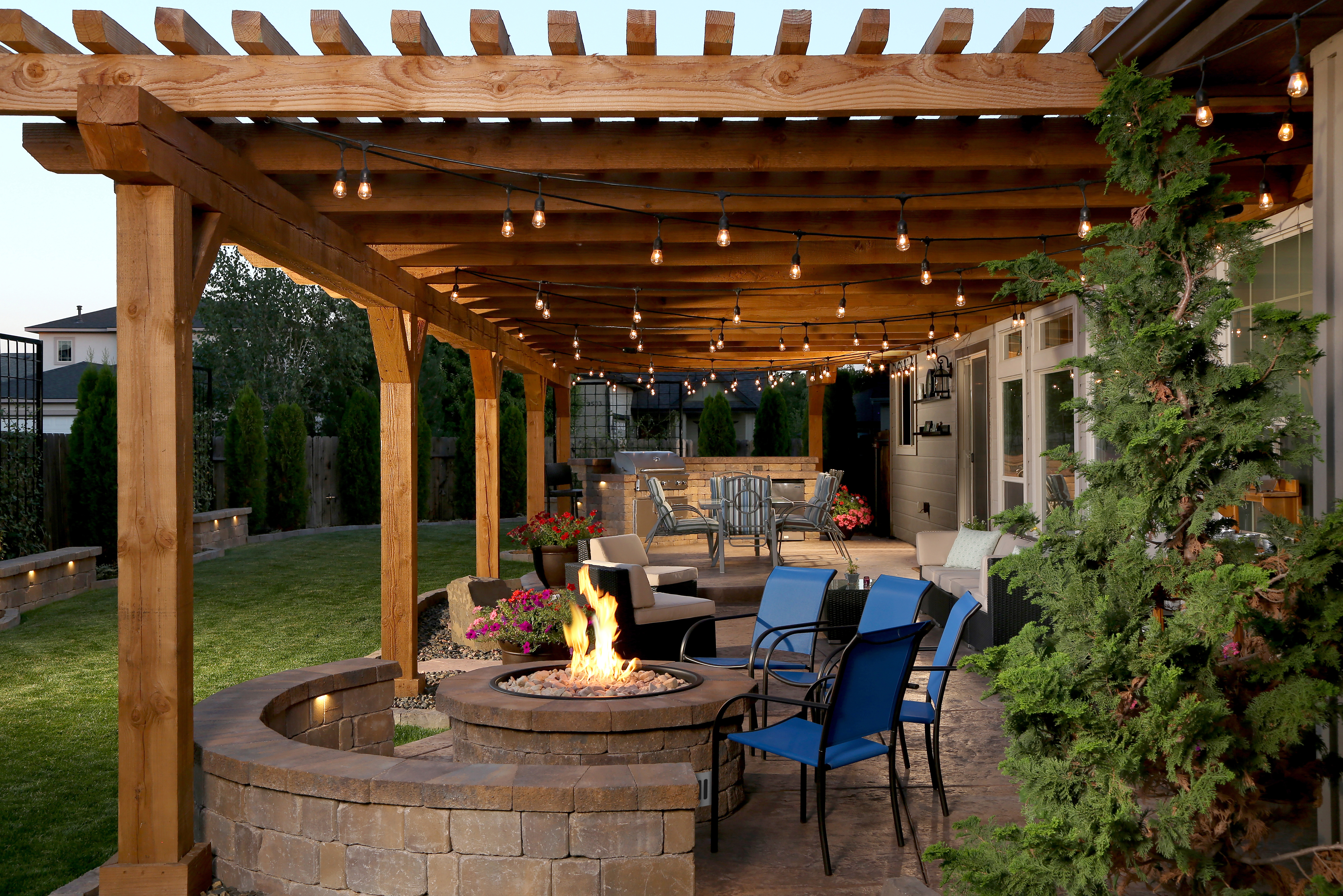
Where Should Fire Pit Vents Be Located?
For a fire feature, a "vent" simply means an intentional opening that allows open airflow through the enclosure. It does not necessarily need to be a manufactured stainless steel grille.
Ventilation can be created using:
- Purpose-built openings in the enclosure
- Open gaps designed into the structure
- Flat stainless steel vent covers
- Louvered enclosure vents
- Paver or block vent systems
Manufactured vent covers can provide a more finished appearance while also helping keep animals and debris from entering the enclosure.
Provide Cross-Ventilation
Fire pit enclosures should generally be designed with ventilation on opposing sides rather than relying on a single opening. This creates a path for air to move through the enclosure.
Vent Opening → Open Enclosure Cavity → Opposing Vent Opening
Vent location should also account for fuel type. Propane openings are generally located lower because propane settles, while natural gas systems may require ventilation higher in the enclosure.
SpotixPro Field Tip: Vent placement is part of the mechanical design of the fire feature, not just its appearance. Determine the burner's ventilation requirements before stone, block, concrete, or other enclosure materials are installed.
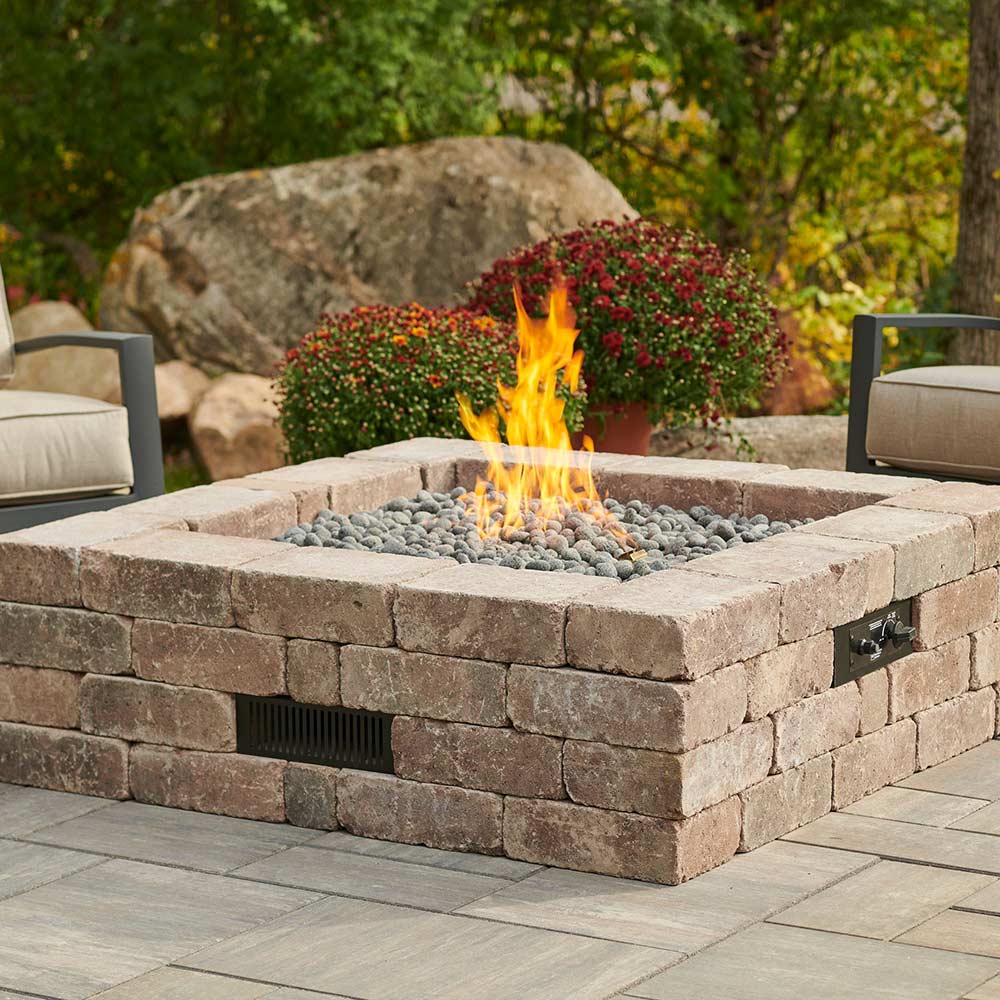
How Much Ventilation Does a Gas Fire Pit Need?
As a general approach, more open airflow is usually better than trying to provide the absolute minimum. However, the required ventilation for a specific gas fire pit depends on the burner system and enclosure.
Many manufacturers require at least 18 square inches of ventilation on opposing sides. One simple example would be two openings measuring approximately 6 inches by 3 inches, with one opening on each opposing side of the enclosure.
This should only be treated as a common reference point. Large fire features or installations in more protected areas may require additional ventilation.
Required free-air opening can depend on:
- Burner or insert manufacturer
- Fuel type
- BTU input
- Enclosure size and design
- Equipment listing requirements
- Local code
Always follow the burner system's installation manual when determining the final vent area and placement.
Vent Size vs. Free-Air Opening
When using a manufactured vent cover, the overall dimensions of the grille do not necessarily represent the actual amount of open airflow through the vent. Louvers, frames, screens, and other parts of the vent can reduce the available free-air opening.
Contractors should use the vent manufacturer's specifications and burner-system requirements rather than assuming the outside dimensions of a decorative grille equal the required ventilation area.
Common Fire Pit Ventilation Mistakes
Ventilation problems are often created during enclosure construction rather than during burner installation. Planning airflow before the enclosure is built can prevent expensive corrections later.
Building the Enclosure Before Planning Ventilation
One of the most common mistakes is completing the fire pit structure and only then asking where the vents should go.
Ventilation should be planned alongside the burner insert, fuel type, service access, and enclosure construction before the project reaches the finished-material stage.
Assuming Small Paver Gaps Provide Enough Ventilation
Small incidental gaps between stones, blocks, or pavers should not automatically be counted as adequate ventilation.
Fire pit ventilation should be intentional and provide the free-air opening required by the burner manufacturer.
Backfilling the Fire Pit Enclosure
A fire pit may have properly sized vents on the exterior while still having little usable airflow if the enclosure behind those vents has been filled with block, gravel, dirt, or other material.
The interior cavity needs to remain open enough for air to move between the ventilation openings and around the burner components.
Installing a Burner Without the Appropriate Burner Pan
Another common problem is installing a burner over an enclosure that has been filled or backfilled rather than using the burner and pan configuration specified by the manufacturer.
A burner pan helps separate the active burner area from the open cavity below and allows the enclosure to remain ventilated as the system was designed. Filling the area directly beneath the burner can interfere with airflow and access to components.
Always install the burner, pan, and supporting enclosure according to the manufacturer's instructions.
Assuming Outdoor Installation Eliminates the Need for Vents
The patio around a fire pit may have unlimited fresh air, but the enclosed space below the burner does not.
An outdoor location does not eliminate the need for intentional ventilation inside the fire feature enclosure.
Installing Decorative Vents That Do Not Open Into the Enclosure
A decorative vent only provides ventilation if the opening extends fully through the enclosure wall.
Installing a grille over solid masonry, backer board, or another closed surface may create the appearance of ventilation without providing any usable airflow.
SpotixPro Field Tip: Before calling the enclosure finished, verify that every vent opens completely into the fire pit cavity and that nothing behind the vent is blocking airflow.
.jpg)
Design Ventilation Into Site-Built Fire Pits
Site-built stone, block, paver, and concrete fire pits give contractors and designers significant flexibility, but the mechanical requirements of the burner system should be established before the enclosure dimensions and finishes are finalized.
A practical planning sequence is:
- Select the burner or insert. Know which system the enclosure is being built around.
- Confirm the fuel type. Natural gas and propane may require different vent placement.
- Read the installation manual. Identify the manufacturer's required free-air opening and vent locations.
- Plan opposing vents. Create a clear path for cross-ventilation through the enclosure.
- Keep the enclosure cavity open. Avoid backfilling areas that need to provide airflow.
- Plan the burner pan. Build the enclosure around the pan and insert configuration specified by the manufacturer.
- Account for service access. Make sure valves, ignition components, and other serviceable parts remain accessible.
- Confirm local requirements. Verify applicable listing, code, and authority having jurisdiction requirements before construction is complete.
SpotixPro Field Tip: Select the mechanical system first and design the enclosure around it. Planning the burner, pan, ventilation, and service access together can prevent costly modifications after masonry work is finished.
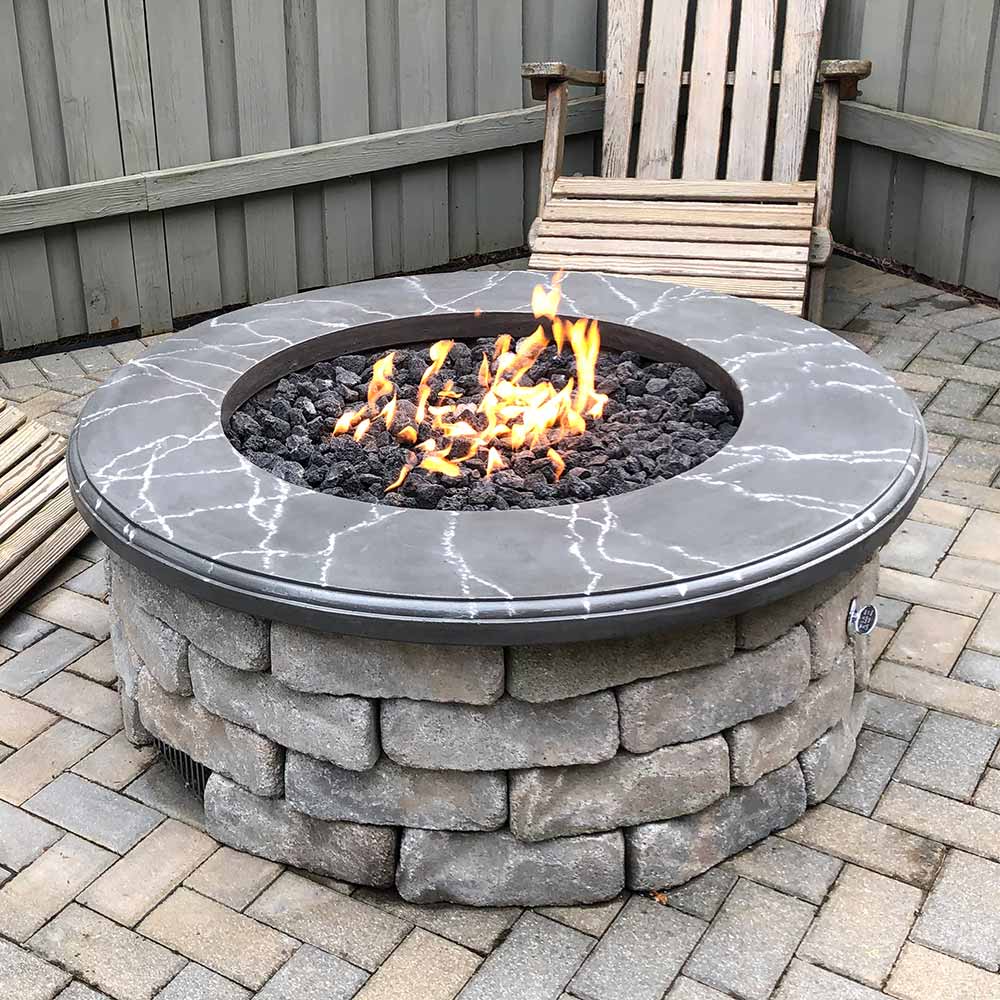
SpotixPro Fire Pit Vent Solutions
Different enclosure styles call for different approaches to ventilation. Spotix offers several vent configurations that can help contractors integrate the required airflow into standard, paver, block, and finished fire pit designs.
Simple Flat Enclosure Vents
The HPC Fire Flat 9x4 Inch Stainless Steel Enclosure Vents, Set of 2 provide a straightforward way to add finished ventilation openings to a fire pit enclosure.
The flat stainless steel design is simple, durable, and effective for projects where the vent can be integrated directly into the finished enclosure wall.
Ventilation for Paver Block Fire Pits
The Firegear Paver Vent Kit with Mounting Plate and Lintel, 3.625x8 Inches is designed specifically for paver block construction.
The kit comes as a set of two and works well with approximately 4-inch-high blocks. The vent can expand up to approximately 10 inches wide, while the integrated lintel helps support the row of block installed above the opening. A larger version is also available for projects using approximately 6-inch-high blocks.
A More Concealed Block Vent
The Warming Trends Two-Piece Replacement Block Vents, 9.75x3 Inch use a similar concept with a shorter profile that can be easier to conceal within some enclosure designs.
This can be useful when ventilation needs to remain visually understated while still being intentionally incorporated into the fire feature.
Louvered Enclosure Vents
For projects where a more finished architectural appearance is preferred, the HPC Fire Louvered 14x4.5 Inch Stainless Steel Enclosure Vents, Set of 2 provide a larger louvered option.
Regardless of vent style, confirm that the selected vent provides enough free-air opening for the burner system and is installed in the location required by the manufacturer.
Fire Pit Ventilation Planning Checklist
Before completing a gas fire pit enclosure, verify the following:
- Burner Manual: The manufacturer's installation and ventilation requirements have been reviewed
- Fuel Type: Natural gas or propane has been confirmed
- Vent Area: The required free-air opening has been calculated or confirmed
- Vent Location: Openings are positioned according to the manufacturer's fuel-specific requirements
- Cross-Ventilation: Openings are provided on opposing sides where required
- Openings: Every vent penetrates completely through the enclosure wall
- Airflow: Backfill or construction materials are not blocking the vent openings
- Burner Pan: The burner and pan are installed according to the manufacturer's design
- Propane Air Mixer: Adequate fresh airflow is available where applicable
- Service Access: Valves, ignition equipment, and other serviceable components remain accessible
- Local Requirements: Applicable code, listing, and authority having jurisdiction requirements have been confirmed
Final Thoughts
Fire pit ventilation should be part of the original enclosure design, not something added after construction is complete. Intentional airflow helps prevent unburned gas from collecting inside the enclosure, manages heat around critical components, and supports the proper operation of the burner system.
While many systems call for at least 18 square inches of ventilation on opposing sides, the exact amount and placement depend on the burner, fuel type, BTU input, enclosure design, and manufacturer requirements. Always use the burner system's installation manual as the final reference.
If you need help selecting fire pit vents, planning a burner enclosure, or finding compatible components for an upcoming project, contact our product specialists for expert guidance.