.png)
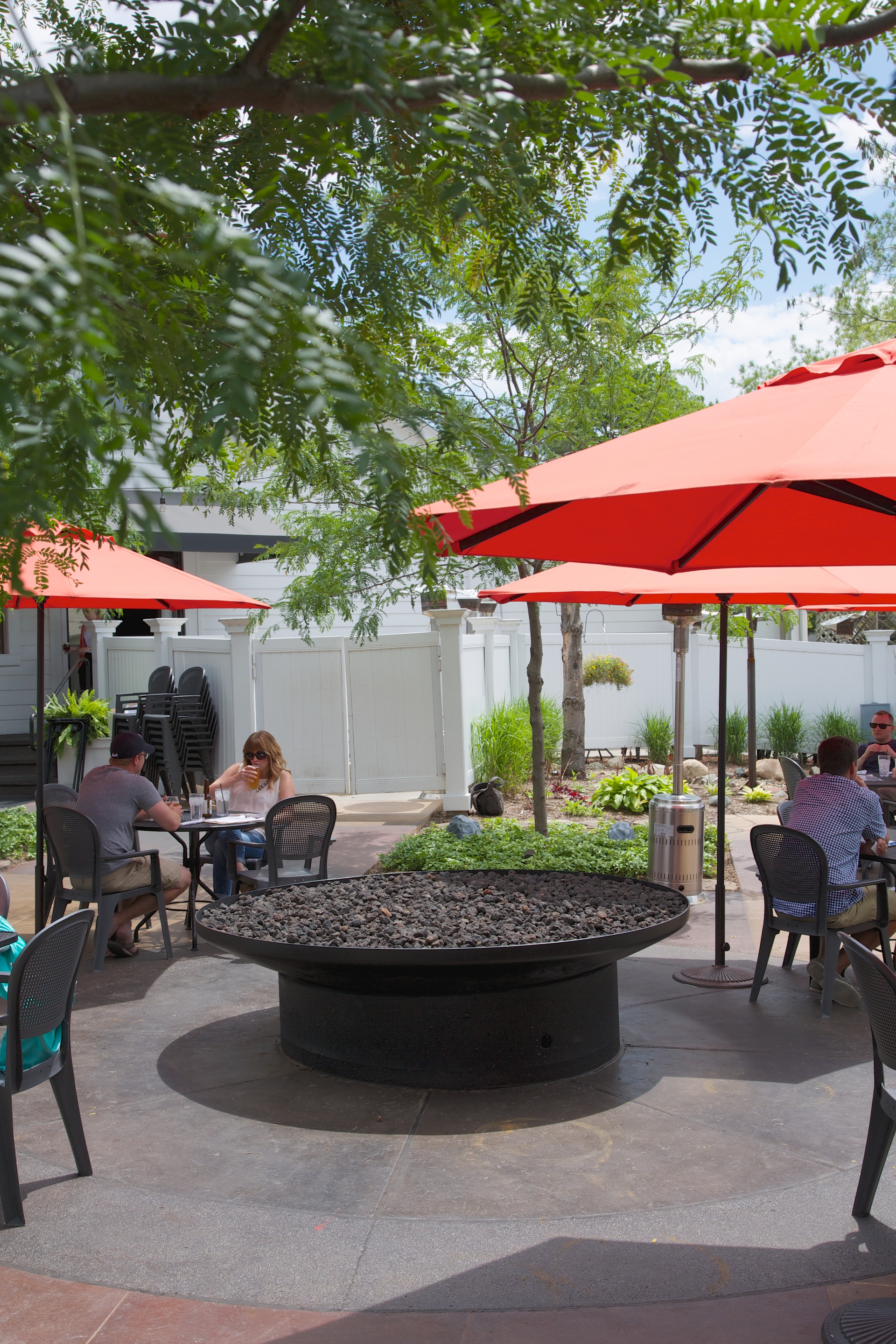
Hospitality fire features have to do more than look good on opening day. In restaurants, hotels, resorts, multifamily developments, and other commercial spaces, outdoor fire pits, fireplaces, fire walls, torches, and similar features may operate for long hours while being exposed to guests, weather, moisture, and frequent use.
That makes safety, durability, controls, service access, drainage, and long-term parts availability just as important as flame appearance or enclosure design. The best hospitality fire feature is one that fits the project's design intent while remaining safe, serviceable, and supportable for years to come.
SpotixPro Quick Answer: For hospitality projects, prioritize commercial-grade fire systems from established manufacturers, electronic ignition, accessible emergency controls, serviceable components, proper drainage, and long-term replacement-parts support. Plan the burner system, controls, gas supply, and service access before finalizing the surrounding structure.
Start With Commercial-Grade Fire Features
Hospitality fire features typically see heavier use and greater weather exposure than residential installations. Equipment that works well for occasional backyard use may not be the right fit for a restaurant patio, hotel courtyard, resort pool deck, or other high-use commercial environment.
For these projects, prioritize:
- Commercial-grade construction
- Appropriately listed systems
- Replaceable service components
- Established fire-product manufacturers
- Long-term replacement-parts availability
- Equipment designed for frequent outdoor use
Lower-cost equipment can be appealing during the initial specification phase, but a fire feature that deteriorates quickly or becomes difficult to repair can create greater expense and disruption later.
SpotixPro Field Tip: "Buy nice or buy twice" applies heavily to hospitality fire features. Equipment failures rarely happen at a convenient time, and an inoperative fire feature can become especially noticeable on a busy night or during an important event.
When comparing equipment, consider the manufacturer's experience with fire products as well as the product itself. A company specializing in fire systems may offer stronger technical support and replacement-parts availability than a furniture manufacturer that treats fire features as a secondary product category.
Plan Fire Feature Safety and Controls Early
Control strategy should be addressed early in a commercial fire feature project rather than after the enclosure or surrounding patio has already been designed.
Match-lit systems may create challenges during the approval or inspection process for some commercial applications. Electronic ignition is often preferred because it can provide convenient operation along with automatic gas shutoff when power is interrupted or a flame is not properly established, depending on the system.
Always verify the specific ignition system's listing, manufacturer requirements, and compatibility with the project's control strategy.
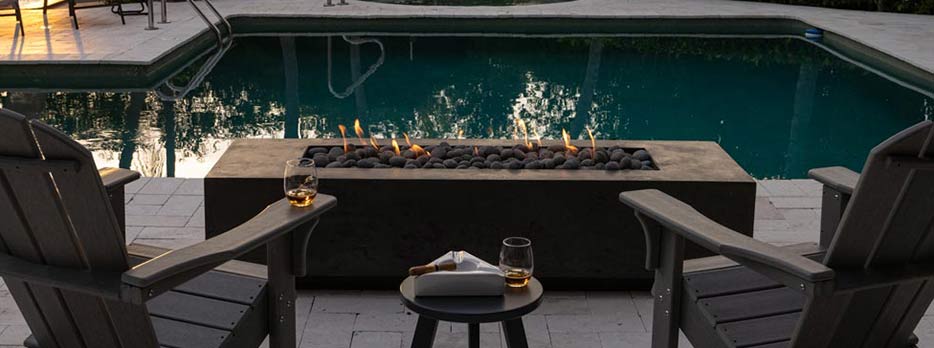
Common Hospitality Fire Feature Control Configurations
A common commercial setup uses a 120-volt emergency stop and a separate switch or timer wired in series so that either control can interrupt power and close the system's gas valve.
A typical control concept may look like:
Power Source → Emergency Stop → Staff Switch or Timer → Electronic Ignition System
Common control arrangements include:
- A patron-accessible emergency stop outdoors with a staff-controlled switch or timer inside
- An outdoor timer combined with an emergency stop
- Keyed switches for restricted operation
- Dedicated control towers or control stations
Whenever possible, controls should be mounted on a nearby wall or dedicated control station rather than directly on the fire feature itself. This can make operation more practical while keeping controls away from heat and simplifying future service.
Important: Commercial fire feature requirements vary by product, location, and jurisdiction. Always account for equipment listing or certification, required clearances, ventilation, emergency shutoffs, manufacturer instructions, and the requirements of the local authority having jurisdiction, including the fire marshal when applicable.
Design for Serviceability Before Construction
Outdoor fire features are mechanical systems. Igniters, flame-sensing components, valves, controls, and other parts may eventually require inspection, maintenance, or replacement.
The enclosure should be designed with future service in mind from the beginning.
Whenever possible, incorporate access doors that allow a technician to reach important components without removing fire media, lifting out burner pans, or disassembling finished portions of the feature.
SpotixPro Field Tip: Design for the technician who may need to service the system five years from now. A strategically placed access door can turn a major service project into a much simpler repair.
Long-term parts availability should also factor into the original specification. Before choosing a system, consider whether replacement ignition components, valves, flame sensors, and other service parts are likely to remain available years after installation.
Plan for Drainage and Water Mitigation
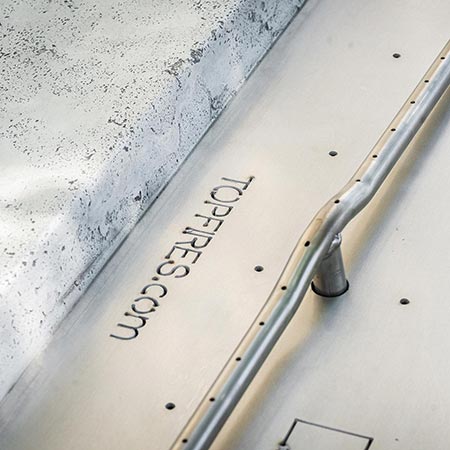
Water management is one of the most important considerations for permanently installed outdoor fire features. Hospitality installations are often left exposed to rain, irrigation, snow, and changing weather throughout the year.
Water needs to be addressed in two places: within the fire feature enclosure and within the burner system itself.
Drainage Inside the Fire Feature
Water that enters through the open top of a fire feature needs a path to drain through the burner area and out of the enclosure. A design that allows water to collect beneath the burner can create ongoing maintenance and service problems.
Drainage should therefore be considered during enclosure design rather than treated as an afterthought once the feature is already built.
Protecting the Burner and Gas System
Choose burner and ignition systems with appropriate built-in water-mitigation features for exposed outdoor installations. Water that enters electronic gas valves or other ignition components can damage equipment. If water reaches the gas piping, the system may also require additional service to remove it.
This makes drainage and burner-system water protection especially important for fire features that cannot realistically be covered after every use.
Snow and Freeze Conditions
Snow can create a different type of water-management problem. As accumulated snow slowly melts, water may seep into the fire feature while frozen or obstructed weep holes prevent the system from draining normally.
Covering the fire feature when practical or operating it more frequently during periods of snow may help manage moisture, provided this is consistent with the manufacturer's operating and maintenance instructions.
Even during the off-season, periodically operating the fire feature for a couple of hours on a weekly or monthly basis can help burn off accumulated moisture. Always follow the manufacturer's recommendations for seasonal operation and maintenance.
SpotixPro Field Tip: A fire feature can have excellent drainage at the enclosure level and still experience problems if the burner or ignition system allows water into sensitive gas components. Plan for both.
Choose the Right Flame for the Space
For hospitality projects, a larger flame is not automatically a better flame.
Restaurants, hotels, and commercial patios have to account for how guests will actually use the space. Seating distance, walkways, wind exposure, nearby furnishings, drinks placed around the feature, required clearances, and the overall scale of the area can all influence how much flame is appropriate.
Burner inserts can be designed with additional space between the edge of the enclosure and the burner itself. This can help create more separation between guests and the active flame area while still providing the desired visual effect.
Consider Wind Exposure
Wind guards are often a worthwhile addition in exposed commercial settings. They can help protect the flame from wind while creating an additional barrier between the active flame and items guests may place around the perimeter of a fire pit.
For restaurant applications in particular, this can help reduce direct flame exposure near glasses, plates, and other objects placed on the fire feature's surrounding ledge.
Choose Fire Media With Maintenance in Mind
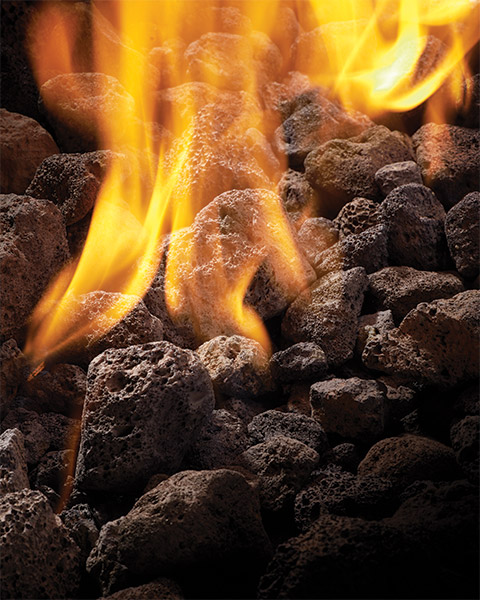
Fire media helps establish the final look of a hospitality fire feature, but appearance is only part of the decision. Cleaning and upkeep should also be considered, especially in high-traffic commercial spaces.
| Fire Media | Advantages | Hospitality Considerations |
|---|---|---|
| Lava Rock | Durable, simple, and cost-effective | A practical option when ease of maintenance and durability are priorities |
| Fire Glass | More polished and upscale appearance | Generally requires more cleaning and upkeep to maintain its appearance |
The right choice depends on the property's design standards, maintenance expectations, and desired guest experience.
Select Fire Feature Materials for the Environment
The enclosure or finished fire feature also needs to withstand the environment where it will be installed. Material selection should account for weather exposure, maintenance expectations, and the surrounding design.
Concrete and GFRC
Concrete and glass fiber reinforced concrete, or GFRC, are popular choices for hospitality spaces because they can create a substantial architectural appearance in a wide range of shapes and finishes.
These materials should be periodically resealed as part of ongoing maintenance to help preserve their appearance and performance.
Powder-Coated Metal
Powder-coated metal can provide a clean, contemporary look while offering the possibility of refurbishment later in the feature's life. Depending on the construction and finish, some metal features can be sandblasted and refinished years after installation.
Site-Built Stone, Block, and Concrete Fire Features
Site-built enclosures can be an excellent option for hotels, restaurants, and developments where the fire feature needs to integrate directly into the surrounding architecture.
These installations should be designed around a suitable standard burner insert from the beginning. Selecting the insert after the enclosure dimensions have already been finalized can lead to unnecessary custom fabrication and added project cost.
SpotixPro Field Tip: Design the enclosure around the burner insert, not the burner insert around the finished enclosure. Selecting a standard system early can simplify specification, installation, service, and future replacement.
Pools, Coastal Areas, and Corrosive Environments
Projects near pools, coastal environments, or other areas with elevated corrosion exposure may require higher-grade materials and components.
Consider the environment surrounding the entire system, not just the visible enclosure. Burner components, fasteners, controls, and other exposed parts may also be affected by moisture, chemicals, or salt air.
Plan the Gas Supply Before Finalizing the Project
Commercial fire features can place a substantial demand on a property's gas system, particularly when several fire features or other gas appliances are expected to operate at the same time.
Before installation, confirm:
- Total fire feature BTU input
- Available gas pressure
- Total connected gas load
- Pipe sizing and run length
- Regulator requirements and capacity
- Fuel type
- Other appliances that may operate simultaneously
Correct pressure at rest does not necessarily mean a gas system has enough capacity to operate a large commercial fire feature under load.
Related SpotixPro Resource: [PLACEHOLDER: Add internal link to "SpotixPro Guide to Fire Feature Gas Pressure" once published.]
Common Hospitality Fire Feature Mistakes
Many expensive fire feature problems can be traced back to decisions made before installation. Avoiding a few common planning mistakes can make the finished system easier to operate and maintain.
- Selecting equipment based on appearance and price alone. Commercial durability, listing requirements, serviceability, and replacement-parts support should also influence the decision.
- Waiting until late in the project to plan controls. Emergency stops, switches, timers, wiring, and control locations should be incorporated into the project early.
- Building an enclosure without service access. A technician should be able to reach critical components without dismantling the entire fire feature whenever possible.
- Ignoring drainage and water mitigation. Both the enclosure and burner system need to account for rain, snowmelt, and other moisture.
- Designing the enclosure before selecting the burner insert. Building around a standard insert can help avoid unnecessary custom fabrication.
- Assuming the largest possible flame is best. Flame size should fit the space, guest use, wind exposure, clearances, and overall design intent.
- Overlooking future parts availability. A fire feature is easier to maintain when the manufacturer supports replacement components years after installation.
Hospitality Fire Feature Planning Checklist
Before specifying or installing a hospitality fire feature, review the complete system rather than evaluating the burner or enclosure in isolation.
- Application: Where will the fire feature be installed, and how frequently will it operate?
- Fire Feature Type: Fire pit, fireplace, fire wall, torch, or another configuration
- Commercial Requirements: Confirm applicable listing, certification, and manufacturer requirements
- Ignition: Determine the appropriate ignition system for the application
- Emergency Controls: Plan emergency-stop locations and accessibility
- Operational Controls: Determine whether staff switches, timers, keyed switches, or control stations are needed
- AHJ Review: Account for local code and fire marshal requirements
- Gas Supply: Confirm fuel type, pressure, BTU load, pipe sizing, and regulator requirements
- Clearances: Follow all manufacturer-required clearances
- Ventilation: Design the enclosure according to the equipment manufacturer's ventilation requirements
- Service Access: Incorporate access doors where practical
- Drainage: Give water a reliable path out of the fire feature
- Water Mitigation: Select a burner system suitable for outdoor exposure
- Wind: Consider wind guards and the site's prevailing conditions
- Fire Media: Balance appearance with maintenance needs
- Enclosure Material: Select materials appropriate for the environment
- Corrosion Exposure: Account for pools, salt air, moisture, and other harsh conditions
- Replacement Parts: Confirm long-term component support
- Maintenance: Plan for seasonal operation, cleaning, resealing, and future service
Hospitality Fire Feature Project Example
A high-end hotel near a major sports venue relies heavily on its large outdoor patio for events, particularly on game days. When the hotel first opened, it installed gas fire pits that fit the look of the space and were even a recommended option within the hotel group. Within just a few years, however, the limitations of the original equipment became apparent.
The fire pit enclosures began cracking and flaking, ignition became unreliable, and guests repeatedly damaged the exposed manual control knobs. After five years of ongoing repairs and maintenance, the hotel turned to Spotix for a commercial-grade solution better suited to the demands of a high-traffic hospitality environment.
The original units were replaced with four bar-height steel fire tables designed for frequent commercial use. Each fire table incorporated:
- Commercial-grade electronic ignition for more reliable operation and automatic gas control
- Protected flame-adjustment controls to reduce guest access and accidental damage
- Dial timers and emergency stops for practical commercial operation and shutdown
- Wind guards to provide additional separation between the flame and guests' hands, drinks, and other items placed around the table
- Leveling feet and bolt-down provisions for a secure installation on the hotel patio
- Large service-access doors that allow technicians to reach gas and electrical components without removing the lava rock or fire glass
SpotixPro Takeaway: Hospitality fire features should be specified for the environment they will actually operate in, not just for how they look when installed. For high-traffic properties, commercial construction, protected controls, reliable ignition, emergency shutoffs, and easy service access can help reduce ongoing maintenance while making future repairs significantly easier.
Commercial Fire Feature Manufacturers
For hospitality projects, the manufacturer name is less important than selecting a fire feature system built to meet the demands of the property. SpotixPro works with commercial-grade manufacturers and evaluates products based on factors such as durable construction, reliable electronic ignition, serviceable components, accessible controls, weather management, and long-term replacement-parts support.
These considerations become especially important for hotels, restaurants, resorts, and other high-traffic properties where a fire feature may operate frequently and remain exposed to the elements throughout the year. A system that can be serviced without extensive disassembly and supported with replacement components years after installation can provide significantly more value than one selected primarily for appearance or initial cost.
For site-built projects, our team can also help match the burner and ignition system to the planned enclosure early in the design process. This can help architects, designers, and contractors account for access, controls, ventilation, drainage, clearances, and other installation requirements before construction begins.
SpotixPro Project Support: Every hospitality project has different design, operational, and maintenance requirements. SpotixPro can help evaluate commercial fire feature options and match the appropriate system and components to the demands of the property.
Why Plan Hospitality Fire Features With SpotixPro?
Hospitality fire feature projects bring together design, mechanical systems, controls, safety requirements, and long-term maintenance. Addressing those considerations early can help reduce installation complications and make the finished feature easier for property staff to operate and maintain.
SpotixPro works with contractors, builders, architects, designers, developers, and hospitality professionals to source commercial-grade fire solutions with safety, durability, serviceability, and long-term parts support in mind.
Final Thoughts
A hospitality fire feature should be designed for more than its first season. Commercial-grade equipment, appropriate controls, accessible service components, effective drainage, durable materials, properly planned gas supply, and dependable replacement-parts support can all contribute to a fire feature that continues to perform in a high-use environment.
The earlier these considerations are addressed, the easier it is to integrate the fire system into the surrounding architecture without sacrificing safety, serviceability, or the project's design goals. If you need help choosing the right commercial fire feature, planning compatible components, or evaluating options for an upcoming hospitality project, contact our product specialists for expert guidance.