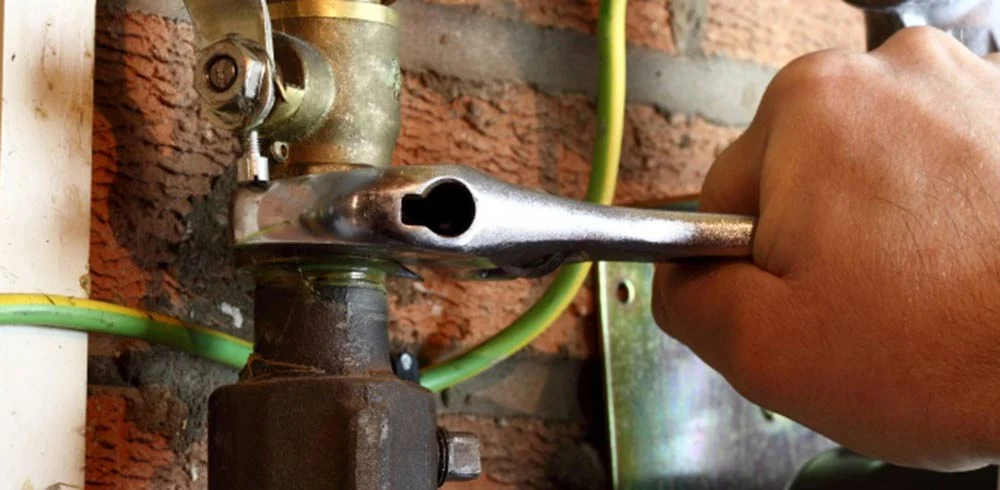
Gas fire pit projects require contractors, designers, plumbers, electricians, and project managers to speak the same technical language. This SpotixPro field glossary explains the terms most often used when specifying burners, sizing gas supply, selecting ignition and control systems, planning enclosures, and troubleshooting completed installations. Use it as a jobsite reference, but always follow the product's installation manual, applicable listings, and local code requirements.
A custom fire feature can involve fuel pressure, electrical service, enclosure ventilation, burner geometry, fire media, drainage, control access, and multiple trades. Misunderstanding even one term can lead to an incompatible component package, an undersized gas line, delayed inspections, poor flame performance, or costly rework. This contractor-focused guide organizes the most important terminology by project decision first, followed by a complete A-to-Z glossary for quick reference.
Important: This guide provides general planning information, not project-specific engineering or code approval. Gas and electrical work should be performed by qualified professionals. Confirm all requirements with the manufacturer, the authority having jurisdiction, and the professionals responsible for the installation.
Gas Fire Pit Terms Contractors Use Most
These groups cover the terms most likely to affect estimating, component selection, trade coordination, installation, and commissioning.
Fuel Supply and Gas Sizing
- BTU: The appliance input rating used when calculating total gas demand.
- Gas Pressure: The force available to deliver fuel, commonly measured in inches of water column or PSI.
- Water Column: The pressure measurement most often shown in gas appliance specifications.
- Regulator: A device that reduces and controls gas pressure before fuel reaches the appliance.
- Orifice: A precisely sized opening that meters gas for a specific fuel and input rating.
- Manifold: A component that distributes gas to one or more burner sections.
- Gas Line: The rigid or approved flexible piping that supplies fuel to the appliance.
Burner and Media Components
- Burner: The component that distributes gas and creates the flame pattern.
- Burner Pan: The support pan beneath the burner and approved fire media.
- Air Mixer or Venturi: A component that draws combustion air into a propane gas stream.
- Fire Media: Approved decorative material installed over or around the burner.
- Media Depth: The manufacturer-specified amount of material covering the burner or pan.
- Wind Guard: A barrier that helps stabilize the flame in exposed installations.
Ignition, Safety, and Controls
- Match-Lit Ignition: A manual system lit with a long lighter or match.
- Push-Button Spark Ignition: A manual gas valve paired with a spark-generating igniter.
- Electronic Ignition: A powered system that lights the burner and monitors flame safety.
- Flame Failure Device: A safety system that stops gas flow when flame is not proven.
- Thermocouple: A flame-heated safety sensor used to hold a gas valve open.
- Flame Sensor: A component that verifies flame presence in an electronic system.
- Control Module: The electronic controller that manages ignition, flame sensing, relight attempts, and shutdown.
Enclosure and Installation Planning
- Inside Dimension: The clear opening available for the burner pan or insert.
- Clearance: The required distance between the appliance and combustible or heat-sensitive materials.
- Ventilation: The enclosure openings and airflow strategy used to release heat and unburned gas.
- Cross Ventilation: Vents positioned on opposing sides to encourage airflow through the enclosure.
- Access Panel: A removable opening that allows service of valves, regulators, controls, and connections.
- Drainage: The path that prevents water from collecting in the burner pan, valve box, or enclosure.
- Authority Having Jurisdiction: The organization or official responsible for interpreting and enforcing applicable codes.
Contractor Quick Reference
| Project Decision | Terms to Confirm | Why They Matter |
|---|---|---|
| Size the gas supply | BTU, pressure, WC, PSI, line size, run length, regulator | Determines whether the burner can receive the required fuel volume at the required inlet pressure. |
| Select a burner system | Burner, burner pan, inside dimension, fuel type, orifice, media depth | Prevents mismatched components and helps achieve the intended flame pattern. |
| Choose ignition | Match lit, push button, flame sensing, electronic ignition, high/low | Affects safety features, electrical requirements, controls, budget, and user experience. |
| Design the enclosure | Clearance, ventilation, access panel, drainage, non-combustible material | Supports safe operation, inspection access, heat management, and future service. |
| Plan electrical service | Line voltage, low voltage, transformer, control module, weather-resistant enclosure | Ensures electronic ignition and automation components receive compatible power. |
| Commission the appliance | Leak test, inlet pressure, manifold pressure, flame sensor, media placement | Confirms the completed system operates as specified before turnover. |
Frequently Confused Gas Fire Pit Terms
Burner vs. Burner Pan: The burner distributes gas and creates flame. The burner pan supports the burner and media, establishes the finished opening, and may contribute to drainage, airflow, or separation of components.
Key Valve vs. Shut-Off Valve: A key valve is commonly used by the end user to control appliance gas flow. A separate accessible shut-off valve may be required to isolate the appliance for service or emergencies. One component should not automatically be assumed to satisfy every required function.
Thermocouple vs. Flame Sensor: Both help confirm flame, but they operate differently. A thermocouple generates a small electrical signal when heated and is common in manual flame-sensing systems. An electronic flame sensor communicates flame presence to a powered control module.
Water Column vs. PSI: Both measure pressure. Appliance inlet and manifold pressure are frequently expressed in inches of water column, while upstream propane systems and regulators may also reference PSI. Never substitute one value for the other without converting units correctly.
Natural Gas vs. Propane Components: Burners may look similar, but the orifice, air-mixing components, regulator requirements, and pressure specifications can differ. Fuel conversion is only appropriate when the product is specifically listed and supplied for conversion.
Vent vs. Ventilation: A vent is an individual opening. Ventilation is the complete airflow strategy, including vent quantity, free area, location, orientation, and compliance with the manufacturer's enclosure requirements.
Pilot Light vs. Electronic Ignition: A pilot is a small flame that ignites the main burner. Electronic ignition describes a broader control system and may use an intermittent pilot, direct spark, hot surface ignition, or another manufacturer-specific sequence.
Fire Glass vs. Lava Rock: Both are fire media, but they differ in appearance, density, coverage, heat behavior, and appliance compatibility. Required quantity and placement should be based on the selected product's instructions rather than appearance alone.
Field Measurements Contractors Should Know
| Measurement | What It Describes | Typical Project Use |
|---|---|---|
| BTU per hour | Gas input or fuel demand | Gas line sizing, meter capacity, regulator selection, and appliance comparison |
| Inches of water column | Low gas pressure | Confirming appliance inlet and manifold pressure |
| PSI | Higher gas pressure | Propane system design, first-stage regulation, and pressure conversion |
| Pipe diameter | Nominal line size | Determining gas-carrying capacity over a given developed length |
| Developed length | Total piping path, including fittings as required by the sizing method | Gas line capacity calculations |
| Inside dimension | Clear enclosure opening | Matching burner pans, inserts, collars, and supports |
| Media depth | Thickness of approved media over or around the burner | Flame performance, ignition reliability, appearance, and media quantity |
| Vent free area | Unobstructed airflow area through enclosure vents | Heat release and gas dissipation |
| Clearance | Required separation distance | Protecting combustible materials, finishes, structures, and occupants |
SpotixPro Expert Note: A burner's listed BTU input is only one part of system performance. Available pressure, pipe sizing, fittings, elevation, regulator capacity, fuel type, media placement, and wind conditions can all affect the finished flame.
Complete A-to-Z Contractor Glossary
A B C D E F G H I J K L M N O P Q R S T U V W
A
Access Panel - A removable or hinged opening that provides access to gas valves, regulators, ignition controls, electrical connections, and serviceable components inside a fire pit enclosure. Access should be planned before the enclosure is finished and should meet the appliance manufacturer's size and location requirements.
Air Mixer - A component commonly used in propane burner systems to draw combustion air into the gas stream before it reaches the burner. Propane generally requires more primary air than natural gas for clean combustion. An incorrect, obstructed, or buried air mixer can contribute to soot, delayed ignition, or poor flame quality. See also: Orifice, Propane Air Mixer, Venturi.
Air Shutter - An adjustable opening that controls how much primary air enters the gas stream before combustion. Air shutters appear on certain burner assemblies where flame characteristics must be tuned. Adjustment should follow the product instructions rather than visual preference alone.
ANSI - The American National Standards Institute, which coordinates voluntary standards in the United States. Gas appliances may be tested or listed to an ANSI standard by an accredited certification organization.
Appliance Connector - An approved flexible connector used between a gas supply point and an appliance or appliance component. The connector must be correctly sized, rated for the fuel and pressure, protected from damage, and installed according to its listing and local code. Shop flexible gas lines.
Authority Having Jurisdiction (AHJ) - The organization, office, or individual responsible for interpreting and enforcing applicable codes and approving the installation. Depending on the project, the AHJ may include a building department, fire marshal, gas utility, inspector, or another local authority.
Automatic Shutoff - A safety function that stops gas flow when the ignition system does not prove flame, loses power under certain conditions, detects a fault, or receives an external emergency-stop command.
Automation - The use of relays, timers, building-management systems, smart controls, or dedicated fire-feature controllers to operate an appliance. Automation compatibility must be confirmed with the ignition system manufacturer, including required voltage, contact type, control sequence, and safety limitations.
SpotixPro Planning Tip: Identify who will service the system after construction. An access opening that technically exposes the control box but does not provide working room can turn a minor service call into enclosure demolition.
B
Ball Valve - A quarter-turn shut-off valve that uses a rotating ball to open or close gas flow. Ball valves are commonly used as appliance isolation valves. Confirm gas rating, pressure rating, accessibility, and whether the handle position will remain visible after the surrounding work is complete.
Battery Ignition - A spark ignition system powered by a replaceable battery. Battery ignition can eliminate a hardwired electrical connection for certain manual systems, but batteries remain a maintenance item and the enclosure must provide dry, accessible service space.
Bonding - The intentional electrical connection of conductive parts to reduce voltage differences and improve fault-current paths. Bonding requirements depend on the appliance, electrical components, local code, and the overall installation.
British Thermal Unit (BTU) - The amount of energy required to raise one pound of water by one degree Fahrenheit. Gas appliance input is commonly stated in BTU per hour. Contractors use the input rating to calculate gas demand, but BTU should not be treated as a direct guarantee of perceived warmth or flame height.
Burner - The component that distributes gas through ports to create the flame pattern. Gas fire pit burners are available in round, square, rectangular, linear, H-style, crossfire, and specialty configurations. Burner shape should complement the opening while maintaining required edge distances and media placement.
Burner Cover - A protective cover placed over the burner area when the appliance is off and cool. Burner covers help limit water, leaves, and debris entering the burner pan, but they do not replace drainage or a full weather cover when one is recommended.
Burner Pan - A metal pan that supports the burner and approved media, creates a defined finished opening, and may provide drainage or separation between the burner area and enclosure components. Pan type, flange style, depth, and cutout dimensions must match the enclosure design and appliance instructions.
Burner Port - A drilled, punched, or machined opening through which gas exits the burner. Port size, quantity, and orientation are engineered for the burner system. Contractors should not drill, enlarge, block, or redirect ports unless expressly authorized by the manufacturer.
Burner Ring - A circular or shaped burner used in round fire pits and fire bowls. Ring diameter should be selected according to the pan or enclosure opening and the manufacturer's required spacing.
SpotixPro Expert Note: Do not size a burner solely by the outside dimensions of the finished fire pit. The correct selection depends on the clear opening, pan flange, required setbacks, ignition components, media depth, and available BTU supply.
C
Certification - Independent evaluation indicating that a product has been tested to an applicable standard and is subject to the certification body's requirements. Certification does not eliminate the need to follow the installation manual, local code, or project-specific restrictions.
Check Valve - A one-way valve designed to permit flow in one direction and prevent reverse flow. Check valves may appear in certain gas or control assemblies but should only be used where specified and listed for the application.
Clearance - The minimum required distance between the fire feature and combustible materials, ceilings, walls, structures, vegetation, furniture, or other surfaces. Clearance can include horizontal, vertical, overhead, and below-appliance requirements. Use the product manual, not a generic rule of thumb.
Combustible Material - A material capable of igniting and burning. Wood framing, composite decking, siding, fabrics, and many finishes are combustible even when covered by a non-combustible surface. The underlying assembly must be considered when evaluating clearances.
Commissioning - The process of verifying that the installed fire feature operates according to the design, listing, manufacturer instructions, and project requirements. Commissioning may include leak testing, pressure verification, ignition trials, flame-sensing tests, control checks, media inspection, and documentation.
Control Module - The electronic controller that manages the ignition sequence, gas valve, flame sensing, relight attempts, fault response, and external control input. Control modules must be protected from heat, water, and unauthorized modification.
Conversion Kit (NG/LP) - Manufacturer-approved components used to convert a compatible appliance between natural gas and propane. A proper kit may include an orifice, regulator components, labeling, air-mixing parts, and instructions. Never assume that replacing only an orifice completes a safe or listed conversion.
Cross Ventilation - Airflow created by placing vents on opposing sides of an enclosure. Cross ventilation helps release heat and allows heavier-than-air propane to escape. Required vent area and placement are product-specific.
CSA Certification - Certification issued by CSA Group indicating that a product has been evaluated to applicable safety requirements. The exact certification mark and referenced standard should be confirmed for the selected product and jurisdiction.
D
Debris Screen - A screen or barrier intended to reduce debris entering an opening or component. Any screen placed over ventilation must preserve the required free area and should not become easily clogged.
Dedicated Circuit - An electrical circuit serving a specific appliance or equipment load. Some electronic ignition systems may require a dedicated or otherwise specifically protected circuit. Confirm voltage, amperage, grounding, GFCI requirements, disconnect requirements, and manufacturer instructions.
Developed Length - The total gas-piping length used for sizing calculations, including the route from the supply source to the appliance and any fitting allowances required by the selected sizing method. Straight-line distance is not always the correct value.
Direct Spark Ignition - An ignition method that applies a spark directly at the main burner or ignition point without relying on a continuously burning pilot. The system must verify flame and shut down safely if ignition is unsuccessful.
Drainage - The designed path that allows rainwater and condensation to leave the burner pan, valve box, and enclosure. Drainage should remain functional after media installation and should not discharge in a way that damages adjacent construction.
Drip Leg - A term sometimes used interchangeably with sediment trap. Code definitions and requirements can vary, so contractors should follow the applicable code language and inspector interpretation rather than relying only on jobsite terminology.
Drop-In Pan - A burner pan designed to rest on a supporting flange or ledge at the top of an enclosure opening. The cutout must accommodate the pan body while properly supporting the flange.
E
Electrical Disconnect - A means of disconnecting electrical power from equipment for service or emergency purposes. Requirements depend on the ignition system, circuit design, location, and applicable electrical code.
Electronic Ignition - A powered ignition and safety system that opens the gas valve, creates an ignition source, monitors flame, and shuts off gas if flame is not proven or is lost. Electronic ignition kits are often specified for commercial, hospitality, multifamily, automated, and premium residential projects.
Emergency Stop - A control that allows an operator to shut down the fire feature quickly. Commercial projects may require an emergency-stop button, keyed control, timer, or supervised shutoff based on the design, code, owner requirements, or ignition system.
Enclosure - The structure surrounding and supporting the burner system. Enclosures may be manufactured, masonry-built, concrete, metal, or assembled from approved non-combustible systems. The enclosure must accommodate ventilation, drainage, service access, heat management, and required clearances.
Enclosure Temperature - The temperature reached inside the fire pit structure during operation. Excessive enclosure heat can damage valves, regulators, wiring, control modules, finishes, and nearby materials. Ventilation and component placement should follow the tested configuration.
Expansion Joint - A separation or flexible joint that accommodates thermal or structural movement in masonry, concrete, or adjacent construction. Expansion planning may help reduce cracking around large or built-in fire features.
SpotixPro Specification Tip: Decide on the ignition system before finalizing the enclosure. Electronic systems can require a valve box, transformer, control access, drainage, ventilation, and wiring paths that are difficult to add after masonry work begins.
F
Fire Glass - Tempered or otherwise approved glass media designed for compatible gas fire pits and fireplaces. Fire glass is available in multiple sizes, colors, and reflective finishes. Only use the type, size, quantity, and placement approved for the appliance.
Fire Media - Decorative and functional material placed over or around a burner. Fire pit media can include fire glass, lava rock, ceramic stones, and approved log sets. Media affects appearance, airflow, ignition, flame distribution, and service access.
Fire Ring - Another name commonly used for a circular burner ring. The term may also be used loosely for a complete round fire feature, so drawings and specifications should identify the exact component.
Flame Failure Device - A safety system that stops gas flow when the flame is not present. Depending on the product, flame failure protection may use a thermocouple, thermopile, flame rod, ionization sensor, or integrated electronic control.
Flame Height - The visible height of the flame above the media. Flame height depends on burner design, fuel input, pressure, media placement, wind, and adjustment range. It should not be increased beyond the appliance's listed input or instructions.
Flame Sensor - A component that verifies flame presence and sends that status to a safety control. Proper sensor position and a reliable flame path are essential. Media should not block, bury, or redirect flame away from the sensing area unless instructed.
Flange - A projecting edge or trim surface used to support a burner pan, finish a valve opening, or cover a cut edge. Flange dimensions affect the required cutout and finished appearance.
Flange Extension - An extension used when a key valve body sits deeper inside an enclosure than a standard flange can reach. Extension length should be coordinated with wall thickness and valve location.
Flexible Gas Line - An approved flexible connector used between compatible gas components. Flexible lines simplify alignment and service but can restrict flow if undersized or excessively long. Shop flex lines.
Free Area - The unobstructed open area available for airflow through a vent or grille. The nominal outside dimensions of a vent are not the same as its free area because louvers, mesh, and frames reduce the opening.
Fuel Type - The gas for which the appliance is configured, usually natural gas or propane. Fuel type affects pressure, orifice sizing, air mixing, regulator selection, and certification labeling.
G
Gas Cock - A manual gas shut-off valve. The term may appear in older documentation or code language. Confirm that the selected valve is listed and appropriate for the gas, pressure, and location.
Gas Line - Rigid pipe, tubing, or an approved connector that carries fuel to the appliance. Gas lines must be sized for total connected load, developed length, available pressure, pressure drop, fuel type, elevation where relevant, and the adopted code or engineering method.
Gas Logs - Ceramic or refractory pieces shaped to resemble wood. Gas logs should only be installed in appliances designed and tested for them because log placement can affect flame impingement, combustion, soot, and safety sensing.
Gas Pressure - The force available to move gas through the system. Contractors may need to distinguish supply pressure, inlet pressure, outlet pressure, and manifold pressure. Measurements should be taken under the conditions specified by the manufacturer, often with the appliance operating.
Gas Pressure Test - A test performed to verify piping integrity or operating pressure. Piping pressure tests and appliance inlet-pressure measurements are different procedures and may use different pressures, isolation requirements, and instruments.
Gas Regulator - A device that reduces and controls pressure before gas reaches an appliance or downstream piping system. Regulator capacity, inlet range, outlet setting, venting, orientation, environmental exposure, and distance from the appliance may all affect selection.
Gas Source - The origin of fuel, such as a natural gas meter, utility service, stationary propane tank, or portable propane cylinder. The source must have enough capacity for the fire feature and all other connected loads.
Gas Supply - The complete system delivering fuel, including source capacity, regulators, piping, valves, fittings, and available pressure. A large pipe near the fire pit does not by itself prove adequate supply.
GFCI - Ground-fault circuit interrupter protection used to reduce shock risk. Outdoor electrical equipment often requires GFCI protection, but project-specific requirements should be confirmed with the electrical design and applicable code.
Grounding - Connecting electrical equipment to the grounding system to provide a fault-current path and reduce shock hazards. Electronic ignition components must be grounded as instructed for reliable and safe operation.
SpotixPro Expert Note: Pressure should be evaluated while the system is under load. A static reading can look acceptable even when pressure drops below the appliance requirement after the burner and other connected appliances are operating.
H
Hard Pipe - Rigid gas piping made from materials permitted by the applicable code, such as black steel or other approved systems. Permanent supply piping should be installed, supported, protected, tested, and bonded where required by qualified professionals.
Heat Shield - A barrier designed to reduce radiant or conductive heat transfer to adjacent components or materials. A field-fabricated heat shield should not be assumed to reduce listed clearances unless the manufacturer and AHJ approve the design.
High/Low Ignition - A system that allows the burner to operate at defined high and low settings. The control may be manual, remote, or electronically managed. Confirm the adjustment range and whether the low setting still maintains reliable flame sensing.
Hot Surface Ignition - An electronic ignition method using a heated element to ignite gas. The igniter is fragile and must be protected from impact, media interference, water, and improper handling.
I
Igniter - The component that creates the spark, heat, or pilot flame used to light the burner. Igniters must be positioned according to the manufacturer and protected from media, water, and physical damage.
Ignition System - The complete method used to light and control a gas fire pit. Common categories include match lit, push-button spark, manual flame-sensing, and electronic ignition. Selection affects required utilities, safety functions, controls, service access, and project cost.
Inlet Pressure - The gas pressure measured at the appliance or regulator inlet. The product specification typically lists a permitted minimum and maximum. Pressure outside this range can cause nuisance shutdowns, poor flame, component damage, or unsafe operation.
Inside Dimension - The clear interior opening where a burner pan, insert, or collar will be installed. Inside dimensions should be verified after finishes are accounted for and before fabrication or product ordering.
Installation Collar - A support component that helps suspend a burner pan or insert within an enclosure. Collars may be fixed or adjustable and must be compatible with the appliance and finished opening.
Intermittent Pilot Ignition - An electronic system that lights a pilot only during an operating call. Once the pilot is proven, the main burner opens. The pilot turns off when the appliance shuts down.
Ionization - A flame-sensing principle that detects the electrical conductivity of flame. Reliable grounding, correct polarity where applicable, proper sensor placement, and clean components are important for stable operation.
J
Junction Box - An enclosure that protects electrical splices and connections. Outdoor and below-grade locations may require specific weatherproof, wet-location, or accessible box types.
Jobsite Mockup - A temporary or representative assembly used to verify dimensions, finish relationships, flame location, control access, or visual scale before final construction. Mockups can be especially valuable for custom linear or commercial fire features.
K
Key - A removable tool used to operate a key valve. The project team should determine who will control access to the key, especially in hospitality, multifamily, and public settings.
Key Valve - A manual gas valve operated with a removable key, commonly mounted through the side of an enclosure. Key valves allow the user to open, close, and often modulate gas flow. Valve rating, stem length, flange depth, and location should be coordinated with the enclosure wall.
Knockout - A removable section in an electrical box or equipment enclosure used to create an opening for conduit or cable fittings. Use listed fittings and preserve the enclosure's required weather protection.
L
Lava Rock - Porous volcanic rock approved as media for compatible gas fire pits and fireplaces. Lava rock provides a natural appearance and can be used as a base or finished media when permitted. Do not substitute unapproved landscape stone, river rock, or moisture-containing material.
Leak Test - A test used to identify gas leakage at piping, valves, fittings, and appliance connections. The approved method and test pressure depend on whether the work involves new piping, an appliance connection, or commissioning. Open flames should never be used to test for leaks.
Line Voltage - Standard building electrical voltage supplied directly to equipment, commonly 120 volts in many U.S. applications. Some ignition systems operate on line voltage, while others require a transformer or low-voltage power supply.
Liquid Propane (LP) - Propane stored as a liquid under pressure and delivered to the appliance as vapor. LP systems may use portable cylinders or permanent tanks. The regulator arrangement and vaporization capacity must support the total demand and expected outdoor temperature.
Listed Product - Equipment included in a certification organization's published record and bearing an appropriate mark showing evaluation to a recognized standard. Installation outside the listed configuration may require additional approval or may void the listing.
Local Codes - Building, fuel gas, fire, electrical, mechanical, zoning, accessibility, and other adopted requirements governing the project. Local amendments and AHJ interpretation can differ from national model codes.
Low Voltage - Reduced electrical voltage supplied by a transformer or power supply. Electronic ignition systems may use 12-volt or 24-volt controls, but the exact voltage, current, wire size, and maximum distance are manufacturer-specific.
LP Conversion - The approved process of configuring a compatible natural gas appliance for propane. Conversion may require an orifice, regulator adjustment or replacement, air mixer, labeling, setup checks, and documentation.
M
Makeup Air - Air supplied to replace air removed or consumed in a space. Although outdoor fire pits are generally installed in open-air locations, partially enclosed patios and architectural structures may create additional ventilation considerations that require professional review.
Manifold - A gas distribution component that directs fuel to one or more burner branches. Manifold design affects pressure distribution and flame uniformity, particularly in long linear or multi-section burners.
Manifold Pressure - The pressure downstream of the appliance regulator or gas valve and upstream of the burner orifices. Manifold pressure is measured at a designated test point and should match the manufacturer's operating specification.
Manual Ignition - A broad category in which the user initiates gas flow and ignition directly. Match-lit and push-button spark systems are common examples. Manual does not automatically mean the system includes flame-failure protection.
Match-Lit Ignition - A simple ignition method in which the user positions a long lighter or match at the burner and then opens the gas valve as instructed. Match-lit systems are valued for simplicity but typically provide fewer automatic safety and control functions than electronic systems.
Media - An abbreviated term for approved fire media. See also: Fire Glass, Fire Media, Lava Rock.
Media Depth - The thickness or amount of media installed around or above the burner. Excess media can delay ignition, bury sensors, trap gas, reduce flame, or create uneven combustion. Too little media may expose components or fail to achieve the intended appearance.
Meter Capacity - The amount of natural gas a utility meter and service can deliver. A new high-BTU fire feature may require confirmation that the meter, service regulator, and building piping can support the additional connected load.
Millivolt System - A control system powered by a small electrical current generated by a thermopile or thermocouple heated by flame. Millivolt systems do not necessarily require building power, but they still require correct wiring, valve compatibility, and flame-sensor placement.
Modulating Control - A control that adjusts flame input through a range rather than only switching between fixed on and off states. Modulation can be manual or electronic and must remain within the appliance's approved operating range.
SpotixPro Installation Tip: Keep ignition components visible and accessible until the burner has been tested. Installing the full media bed before verifying spark location, pilot carryover, flame sensing, and shutdown response can make troubleshooting unnecessarily difficult.
N
Natural Gas (NG) - A utility-supplied fuel composed primarily of methane. Natural gas fire pits are commonly selected for permanent installations because they eliminate cylinder changes, but they require adequate service capacity and correctly sized piping.
NFPA - The National Fire Protection Association, publisher of codes and standards that may apply to fuel gas, electrical, fire safety, and other aspects of a project. The adopted edition and local amendments should be confirmed.
Nipple - A short threaded pipe used to connect gas fittings or components. Nipples are available in different materials, diameters, and lengths. Thread engagement and sealing method must comply with the fitting and piping system requirements.
Non-Combustible Material - A material that meets the applicable definition or test criteria for non-combustibility. A non-combustible veneer does not automatically make the entire wall or enclosure assembly non-combustible.
Normally Closed Valve - A valve designed to remain closed without an applied control signal or power condition. Many electronic gas valves are normally closed so gas stops flowing when the control removes power.
O
Orifice - A precisely sized opening that meters gas into a burner, pilot, or air-mixing assembly. Orifice size is specific to fuel, pressure, input rating, and appliance design. Unauthorized drilling or substitution can create unsafe combustion and invalidate the product listing.
Outdoor-Rated - Equipment designed, listed, or evaluated for specified outdoor environmental conditions. The term does not mean a component can be submerged, installed without drainage, or exposed beyond its stated enclosure rating.
Overhead Clearance - The required vertical distance from the flame or appliance to ceilings, roofs, pergolas, tree limbs, fabric shades, or other overhead materials. Wind and flame movement should be considered along with the minimum listed clearance.
Oxygen Depletion Sensor (ODS) - A safety feature commonly used in certain indoor vent-free gas appliances that shuts down the appliance when combustion conditions indicate reduced oxygen. ODS terminology may appear in broader gas-appliance discussions but is not typically the primary safety system for an outdoor fire pit.
P
Pan Flange - The horizontal edge of a burner pan that supports the pan on the enclosure and covers the cutout. Flange width affects the required support ledge and finished tolerance.
Piezo Igniter - A mechanical igniter that creates a high-voltage spark when pressed or turned. Piezo systems may not require a battery but still depend on correct electrode gap, grounding, and spark location.
Pilot Assembly - A group of components that creates, directs, and monitors a pilot flame. It may include a pilot burner, igniter, thermocouple, thermopile, flame rod, hood, tubing, and mounting bracket.
Pilot Light - A small flame used to ignite the main burner. A standing pilot remains lit during appliance availability, while an intermittent pilot operates only during an ignition call.
Pipe Sizing - The process of selecting piping diameter based on fuel type, pressure, total BTU load, developed length, allowable pressure drop, fittings, and the chosen code table or engineering method.
Portable Propane Cylinder - A refillable cylinder used to store LP fuel. Enclosing a cylinder inside a fire feature is only permitted when the appliance and enclosure are specifically designed and listed for that arrangement, including ventilation and cylinder-clearance provisions.
Pressure - The force of gas in a line, commonly measured in inches of water column or PSI. Specifications may distinguish minimum inlet, maximum inlet, operating inlet, and manifold pressure.
Pressure Drop - The reduction in gas pressure caused by flow through piping, fittings, valves, regulators, and connectors. Excessive pressure drop can prevent the appliance from reaching rated input.
Propane - A liquefied petroleum gas commonly used where natural gas is unavailable. Propane fire pits require components configured for LP pressure and combustion characteristics.
Propane Air Mixer - A fitting that introduces primary air into propane before combustion. It is often paired with a fuel-specific orifice and must remain correctly oriented, unobstructed, and separated from media as instructed.
PSI - Pounds per square inch, a unit of pressure. One PSI equals approximately 27.7 inches of water column. Use an appropriate gauge or manometer for the expected range.
Push-Button Spark Ignition - A manual ignition system using a push button to generate a spark while the user controls gas flow with a valve. It improves lighting convenience but should not be confused with a fully automatic flame-sensing electronic system.
Q
Qualified Professional - A person with the training, licensing, experience, and authorization required to perform a specific task. Gas piping, electrical work, engineering, and code approval may require different qualified professionals.
Quick Disconnect - A fitting that allows an approved gas connection to be connected or disconnected without unthreading the piping. Quick disconnects must be gas-rated, correctly sized, protected, accessible, and used only where allowed.
R
Rain Cover - A weather cover designed to protect the fire feature when it is off and cool. Covers should allow the appliance to dry and should never be installed over a hot or operating burner.
Rated Input - The manufacturer's specified maximum or nominal gas consumption, typically expressed in BTU per hour. Rated input is used for supply sizing and reflects the appliance's approved configuration.
Regulator - A device that reduces and controls gas pressure. Regulators may be located at the source, along the piping system, or within the appliance assembly. Do not add, remove, or stack regulators without understanding the complete pressure design.
Relight - An electronic ignition function that attempts to restore flame after an interruption. The permitted number and timing of relight attempts are determined by the control system. Persistent flame loss should be diagnosed rather than repeatedly reset.
Remote Control - A wired or wireless control used to turn the appliance on, off, or adjust flame. Remote compatibility depends on the ignition system and should not bypass required safety controls.
Riser - A vertical section of gas piping or a support component that elevates part of the burner assembly, depending on context. Project drawings should clarify the intended meaning.
S
Sediment Trap - A piping configuration intended to collect debris or condensate before it enters appliance controls. Requirements and permitted configurations vary by adopted code and appliance type.
Service Clearance - Working space needed to remove, test, repair, or replace components. Service clearance is different from combustion clearance and should be considered when locating valve boxes and access panels.
Shut-Off Valve - A valve that isolates gas flow for service, safety, or emergency response. The valve should be accessible, identified where appropriate, and installed in the location required by code and the appliance instructions.
Solenoid Valve - An electrically operated valve that opens or closes gas flow in response to a control signal. Electronic ignition systems often use a normally closed safety-rated gas solenoid valve.
Soot - Carbon residue created by incomplete combustion or flame contact with media and surfaces. Common contributors include incorrect fuel configuration, inadequate primary air, excessive media, obstructed burners, improper pressure, and flame impingement.
Spark Electrode - The component that creates an ignition spark across a designed gap. Electrode position, gap, insulation condition, grounding, and wire routing affect ignition reliability.
Spark Ignition - An ignition method using an electrical spark to light gas. Spark may be generated mechanically, by battery, or by an electronic control module.
Standing Pilot - A pilot flame that remains lit while the appliance is available for use. Standing pilots simplify main-burner ignition but consume a small amount of fuel and require the pilot to remain stable in outdoor conditions.
Street Elbow - A pipe fitting with male threads on one end and female threads on the other. It changes direction while reducing the number of separate fittings in a tight assembly.
Supply Pressure - The pressure delivered by the upstream gas system. Contractors should confirm both the available pressure and how it changes under total connected load.
SpotixPro Troubleshooting Tip: Soot is a symptom, not a finish characteristic. Before changing media or cleaning surfaces, verify fuel type, air-mixer condition, orifice, pressure, burner ports, flame impingement, and media installation.
T
Tempered Glass - Heat-treated safety glass designed to break into smaller pieces rather than sharp shards. Fire glass is a specialized approved media product and should not be replaced with ordinary decorative glass.
Thermal Expansion - The movement of materials as they heat and cool. Different materials expand at different rates, which can contribute to cracking, binding, or finish failure if the enclosure is not detailed appropriately.
Thermocouple - A flame-heated sensor that generates a small electrical signal. In a flame-sensing gas valve, the signal helps keep the valve open while flame is present and allows closure when flame is lost.
Thermopile - A group of thermocouples that produces more electrical output than a single thermocouple. Thermopiles are used in some millivolt systems to operate gas valves or controls.
Timer - A control that limits operating duration or schedules shutdown. Timers are common in commercial and shared-use installations. They should interface with the ignition system in the manufacturer-approved manner.
Transformer - A device that changes electrical voltage, often from 120 volts to a low-voltage output required by an ignition system. Transformer capacity, mounting location, environmental rating, wire size, and distance should match the control requirements.
Turndown Ratio - The ratio between an appliance's maximum and minimum controllable input. A greater turndown range provides more flame adjustment, but the low setting must still support stable combustion and flame sensing.
U
UL Listed - Certification indicating that a product has been evaluated by UL Solutions to applicable requirements. Confirm the exact mark, standard, and intended use rather than relying on the general phrase alone.
Under-Fire-Pit Shutoff - A shutoff located within or beneath the enclosure. Accessibility, heat exposure, and code requirements must be considered. A concealed valve that cannot be reached without removing the burner may not provide acceptable service access.
Utility Coordination - Communication with the gas utility, propane supplier, electrician, and other service providers to verify capacity, meter or regulator requirements, connection points, and scheduling.
V
Valve - A device that starts, stops, or modulates gas flow. Fire pit systems may include ball valves, key valves, manual safety valves, solenoid valves, millivolt valves, and regulator-integrated valves.
Valve Box - A protective housing containing gas valves, regulators, ignition controls, or electrical components. Valve boxes are common in electronic and commercial fire-feature systems and must be installed with appropriate drainage, ventilation, access, and environmental protection.
Vent - An opening that allows air to move into or out of an enclosure. Vent design should be based on required free area rather than nominal grille dimensions.
Ventilation - The overall airflow strategy for an enclosure. Proper ventilation helps release heat and allows unburned gas to escape. It is especially important for propane because propane vapor is heavier than air and can collect in low spaces.
Venturi - A shaped passage or fitting that uses gas velocity to draw air into the fuel stream. In propane systems, the venturi effect supports primary-air mixing and cleaner combustion. See also: Air Mixer, Propane Air Mixer.
Voltage - Electrical potential supplied to ignition and control components. Confirm whether a system requires line voltage, 24 volts, 12 volts, AC, or DC, as well as polarity and transformer requirements.
SpotixPro Expert Note: More vent openings do not automatically correct a poor enclosure design. Vent locations must support airflow through the actual component area, remain unobstructed, provide the required free area, and allow propane to escape from low points.
W
Water Column (WC) - A pressure unit based on the force exerted by a column of water, commonly stated as inches WC. Gas appliance inlet and manifold pressures are often measured with a manometer in this unit. One PSI is approximately 27.7 inches WC.
Weather-Resistant - Designed to resist specified outdoor conditions. Weather resistance depends on the component's rating, orientation, seals, drainage, and installation. It does not mean waterproof under every condition.
Weep Hole - A small opening that allows water to drain from a pan, enclosure, masonry cavity, or component housing. Weep holes must remain open after finishes and media are installed.
Wind Guard - A glass or metal barrier around the flame area that helps reduce wind disruption. Glass wind guards can improve flame stability and separation from users, but they must be properly sized and compatible with the appliance.
Wind Rating - A manufacturer's stated operating wind limit or tested wind condition, when provided. Wind behavior varies with burner design, enclosure, media, ignition system, and surrounding architecture.
Wire Gauge - The conductor size used for electrical connections. Low-voltage systems can experience voltage drop over long wire runs, so gauge and maximum distance should follow the ignition-system instructions.
Common Jobsite Mistakes Caused by Misunderstood Terms
1. Treating BTU as the only gas-sizing input. Burner input must be evaluated with developed length, available pressure, other connected loads, fittings, regulator capacity, and the adopted sizing method.
2. Confusing static pressure with operating pressure. A system may show acceptable pressure with no flow and fall below minimum inlet pressure when the burner and other appliances operate.
3. Ordering the burner before confirming the finished opening. Changes to veneer thickness, coping, pan support, or ignition hardware can make the original burner pan incompatible.
4. Assuming all propane systems use the same regulator arrangement. Portable cylinders, low-pressure supply systems, and higher-pressure two-stage systems require different components and design decisions.
5. Burying the air mixer or ignition components in media. Incorrect media placement can restrict air, delay ignition, interfere with flame sensing, and cause soot.
6. Counting grille size instead of vent free area. Louvers and mesh reduce airflow. The enclosure must provide the manufacturer's required unobstructed opening area.
7. Using a key valve as the only assumed shutoff. The project may require a separate appliance isolation valve or emergency control depending on code and use.
8. Selecting electronic ignition after the enclosure is built. Power, transformer placement, control wiring, valve-box space, access, drainage, and automation connections should be planned before construction.
9. Substituting unapproved decorative media. Ordinary glass or stone can break, pop, obstruct ignition, change flame behavior, or damage components.
10. Treating a listed component as a listed custom assembly. Combining individually listed parts does not necessarily create a listed complete fire feature. Confirm the permitted assembly and project approval path.
11. Ignoring service clearance. Components that fit inside an enclosure may still be impossible to test or replace after the coping and finish materials are installed.
12. Turning up gas pressure to improve the flame. Pressure adjustments outside the appliance specification can create unsafe operation. Diagnose supply, sizing, regulator, media, and burner conditions instead.
How to Use This Glossary During a Project
- During estimating: Confirm fuel type, total BTU demand, ignition level, utilities, access requirements, and whether the project needs listed commercial controls.
- Before ordering: Verify finished inside dimensions, burner-pan support, fuel configuration, required media, wind exposure, and all control-system components.
- Before rough-in: Coordinate gas-line size, inlet pressure, electrical service, transformer location, conduit, shutoffs, drainage, and enclosure vents.
- Before finishes: Test-fit the pan and valve box, confirm access, and document concealed piping and wiring.
- During commissioning: Perform required leak and pressure checks, verify ignition and flame sensing, confirm shutdown behavior, and inspect final media placement.
- At turnover: Provide operating instructions, shutoff locations, control keys, maintenance expectations, and manufacturer documentation to the owner.
Need Help Specifying Gas Fire Pit Components?
Understanding the terminology is the first step. The next challenge is making sure every component is compatible with the project's fuel, pressure, burner size, enclosure, ignition method, electrical service, controls, and intended use.
SpotixPro can help professionals compare gas fire pit burners, fire pit components, electronic ignition systems, key valves, enclosure vents, and approved fire media. For support identifying compatible products or building a component package for an upcoming installation, contact the Spotix product specialists.